





Are you struggling with the premature degradation of polyester tire cords in your products? High temperature and humidity can wreak havoc on polyester, leading to hydrolysis and compromising the strength and lifespan of your tires. Don't let this weakness undermine your product quality.
Tire cord is a crucial reinforcing material embedded within pneumatic tires, providing strength, stability, and shape. Polyester tire cord, while strong and cost-effective, is susceptible to hydrolysis, which significantly weakens the tire structure under hot and humid conditions.
From my 15 years at Langyi, I've seen how critical material stability is for performance. Especially in demanding applications like tires, where safety and durability are paramount, understanding and mitigating material weaknesses is not just good practice—it's essential for product integrity.
What Exactly is Tire Cord?
Are you wondering what gives a tire its strength and prevents it from simply bulging out when inflated? It's not just the rubber; there's a hidden framework inside. Understanding what tire cord is reveals a fundamental component of tire construction.
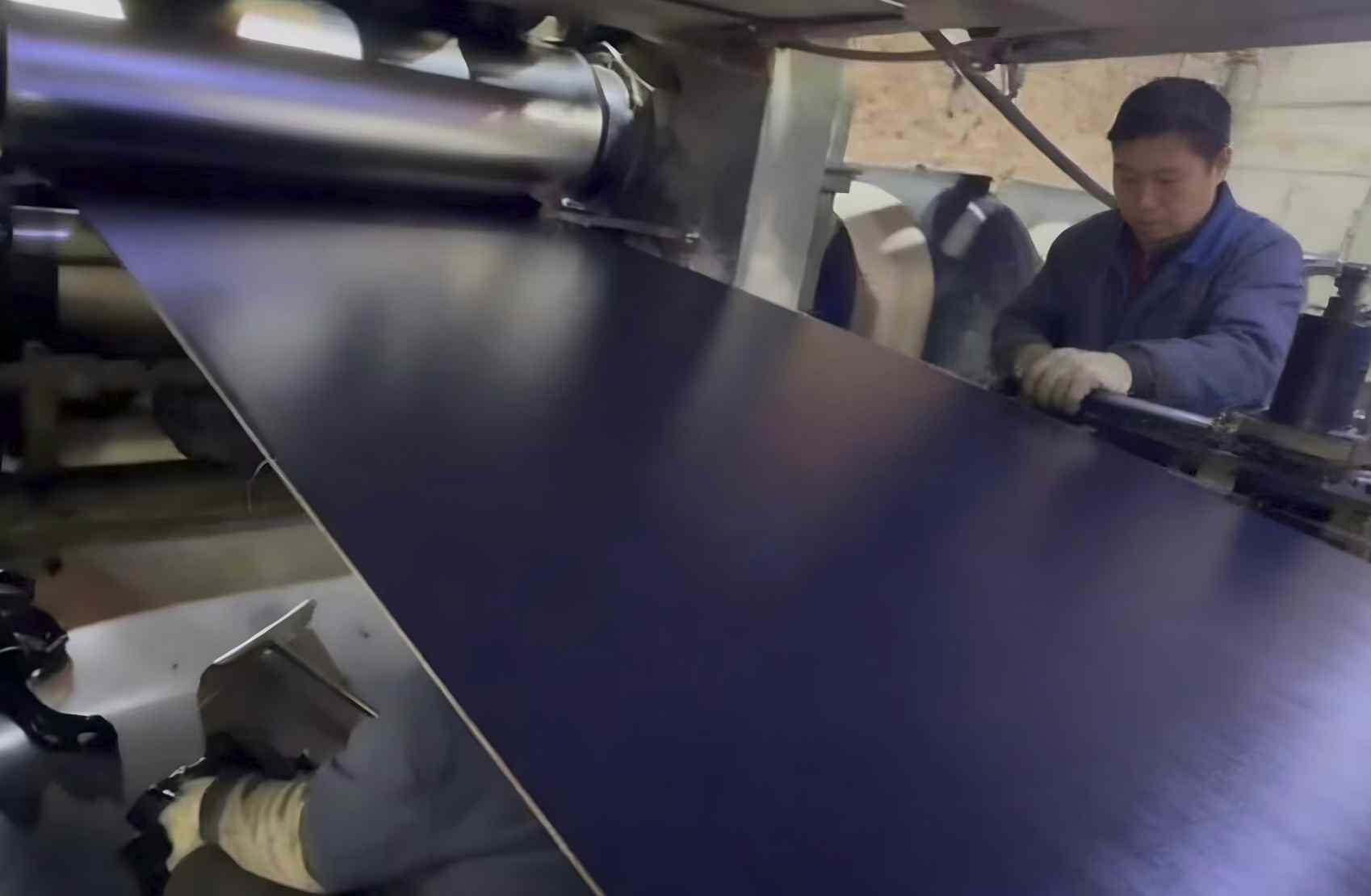
Tire cord refers to the continuous filaments or yarns, typically made from synthetic fibers, that are woven or laid into a reinforcing fabric layer within the rubber matrix of a pneumatic tire. This cord fabric provides the tire with its structural integrity, load-carrying capacity, and resistance to impact and deformation.
I remember when I first started at Langyi, I was fascinated by the sheer number of hidden components that make up everyday products. Tire cord is a perfect example—most people never see it, but without it, tires wouldn't function. Our mission at Langyi is to make these unseen components even better, enhancing their functionality and lifespan.
The Unseen Strength: Functions of Tire Cord
Tire cord does more than just hold the tire together; it performs several critical functions that ensure tire safety and performance.
| Function | Description | Impact on Tire Performance |
|---|---|---|
| Reinforcement | Provides the primary structural strength to withstand internal air pressure and external forces. | Prevents the tire from bursting or deforming under load, ensuring stability and safety. |
| Load Bearing | Distributes vehicle weight evenly across the tire's contact patch. | Supports the vehicle's weight, prevents tire collapse, and contributes to even wear. |
| Impact Resistance | Absorbs shocks and impacts from road irregularities. | Protects the tire from punctures and damage, extending its service life. |
| Dimensional Stability | Maintains the tire's shape and profile during inflation and rotation. | Ensures uniform contact with the road, leading to consistent handling, braking, and fuel efficiency. |
| Fatigue Resistance | Withstands repeated flexing and stress cycles without breaking down. | Crucial for the long-term durability and safety of the tire, especially at high speeds and over varied terrains. |
These functions highlight why the choice and quality of tire cord material are paramount. A failure in the cord means a failure in the tire, which can have severe safety implications. This is why our focus at Langyi on enhancing material performance, even for these "hidden" components, is so important.
What are the Different Types of Tire Cords?
Are you aware that not all tire cords are created equal? The material chosen for tire cords directly impacts a tire's characteristics, from its strength to its heat resistance. Understanding these differences can shed light on tire performance.
Various types of tire cords are used in tire manufacturing, each offering distinct properties tailored for specific tire applications. Common materials include polyester, rayon, nylon, and steel, with each providing unique advantages in terms of strength, flexibility, heat resistance, and cost.
Through my work in functional additives, I've seen how material selection is a strategic decision in any industry. For tires, choosing the right cord material is a balancing act between performance, cost, and desired properties. It’s about leveraging material science to meet specific engineering challenges.
A Closer Look at Common Tire Cord Materials
Each material has its pros and cons, making it suitable for different types of tires and performance requirements.
| Tire Cord Material | Key Properties | Typical Applications | Pros | Cons |
|---|---|---|---|---|
| Polyester | High strength, excellent dimensional stability, good adhesion to rubber. | Passenger car tires, light truck tires. | Cost-effective, good fatigue resistance, low creep. | Susceptible to hydrolysis in high temperature/humidity. |
| Rayon | High strength, excellent dimensional stability, low heat generation. | High-performance passenger car tires, truck tires. | Excellent ride comfort, good high-speed performance, stable. | Higher cost than polyester, environmental concerns in production. |
| Nylon | Very high strength, good impact resistance, excellent fatigue resistance. | Bias tires, heavy-duty truck tires, off-road tires, motorcycle tires. | Strong, flexible, good adhesion to rubber. | High heat generation, "flat spotting" when cold. |
| Steel | Extremely high strength, rigidity, excellent heat resistance. | Radial tires (belts), heavy machinery tires, aircraft tires. | Superb strength, puncture resistance, low rolling resistance. | Heavy, adds stiffness, can rust if exposed. |
| Aramid (e.g., Kevlar) | Very high strength-to-weight ratio, excellent heat resistance, low creep. | High-performance tires, race tires, bulletproof vests. | Lightweight, extremely strong, very stable at high temperatures. | Very high cost, more difficult to process. |
As you can see, polyester is a workhorse, especially for passenger cars, due to its balance of cost and performance. However, that susceptibility to hydrolysis is a weakness we need to address. This is precisely where Langyi's expertise comes into play, turning a material's weakness into a strength.
How Does a Carbodiimide Anti-Hydrolysis Agent Protect Polyester Tire Cord?
Are you concerned about the long-term durability of polyester tire cords, especially in hot and humid conditions? There's a solution that directly tackles polyester's Achilles' heel. Let me explain how a carbodiimide anti-hydrolysis agent provides crucial protection.
A carbodiimide anti-hydrolysis agent effectively protects polyester tire cord by reacting with and deactivating the carboxylic acid end groups that catalyze the hydrolysis of polyester. This chemical intervention significantly slows down the degradation process, extending the lifespan and maintaining the strength of the polyester cord in harsh, humid environments.
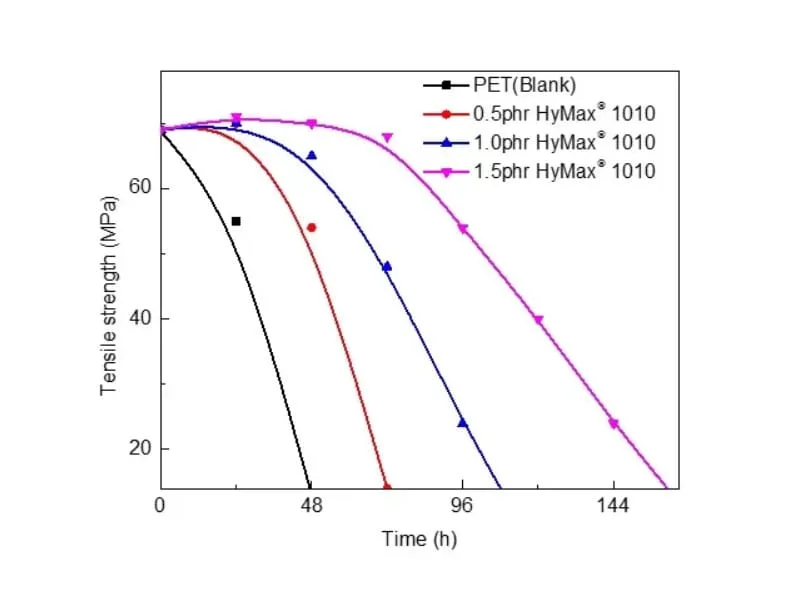
I've personally witnessed the impact of hydrolysis on polymers. It's a silent killer of material properties. At Langyi, we've developed carbodiimide additives specifically to combat this, ensuring that materials like polyester can perform as intended, even under challenging conditions.
The Chemistry Behind Anti-Hydrolysis Protection
To understand how carbodiimides work, we need a little insight into polyester hydrolysis itself. It's a chemical battle, and carbodiimides are our champions.
Polyester, being an ester-based polymer, is vulnerable to hydrolysis, especially in the presence of heat and moisture. The hydrolysis reaction is primarily catalyzed by the carboxylic acid end groups that naturally exist in the polyester polymer chain, or are formed during initial degradation. These acid groups attack the ester linkages, breaking the polymer chain and leading to a rapid decrease in molecular weight and, consequently, a loss of mechanical strength in the tire cord. This is where carbodiimides step in. A carbodiimide molecule contains a highly reactive –N=C=N– functional group. This group readily reacts with carboxylic acid end groups present in the polyester, effectively "scavenging" them. When a carbodiimide reacts with a carboxylic acid, it forms a stable urea derivative. This reaction consumes the acid groups, removing the catalyst for hydrolysis. By deactivating these catalytic acid groups, the carbodiimide anti-hydrolysis agent significantly inhibits the rate of polyester degradation, preserving the integrity and strength of the tire cord over its intended lifespan, even when exposed to high temperatures and humidity.
Key Benefits of Using Carbodiimide Anti-Hydrolysis Agents
The application of carbodiimide anti-hydrolysis agents offers tangible benefits that directly translate into improved tire performance and reliability.
| Benefit | Description | Impact on Polyester Tire Cord |
|---|---|---|
| Extended Lifespan | Significantly delays the hydrolysis process, making the polyester cord more durable. | The tire cord maintains its strength and structural integrity for a longer period, extending tire life. |
| Maintained Strength | Prevents the molecular weight reduction caused by hydrolysis, preserving the cord's original tensile strength. | Ensures the tire can continue to withstand loads and stresses without premature failure. |
| Improved Reliability | Reduces the risk of unexpected cord failure due to degradation, especially in demanding environments. | Enhances overall tire safety and performance, reducing warranty claims and increasing consumer confidence. |
| Resistance to Harsh Conditions | Enables polyester cords to perform effectively in high-temperature and high-humidity environments. | Widens the application range for polyester tire cords, making them suitable for more diverse climates and uses. |
| Cost-Effectiveness | Protects the investment in polyester material by making it more resilient and long-lasting. | Offers a cost-efficient way to improve the performance of an already economical tire cord material. |
These benefits are why carbodiimide anti-hydrolysis agents are indispensable for polyester tire cords. We’re not just selling an additive; we’re selling enhanced durability and reliability. For me, at Langyi, it’s about providing solutions that directly address critical material challenges, making products safer and more effective.
Conclusion
Polyester tire cords are vital for tire strength, but they are vulnerable to hydrolysis under heat and humidity. Carbodiimide anti-hydrolysis agents directly combat this by deactivating acid groups, preserving the cord's strength and extending the tire's lifespan significantly.