


Ever wondered why your trusty polyurethane products sometimes fail prematurely? It's often due to hydrolysis, a sneaky chemical reaction that breaks down materials. We've seen firsthand how this affects everything from seals to coatings.
Hydrolysis in polyurethane happens when water molecules attack and break the ester or urethane bonds in the polymer chain, leading to a loss of mechanical properties like strength and elasticity. This process is accelerated by high temperatures, humidity, and the presence of acids or bases, making many PU applications vulnerable.
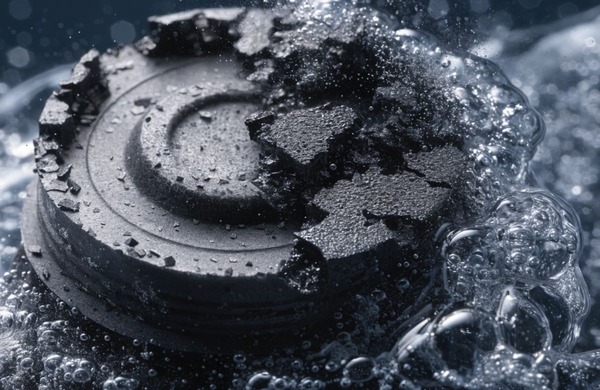
When we first started at Langyi, one of the biggest challenges our customers faced was the premature degradation of their polyurethane parts. This problem was especially prevalent in humid and hot environments. We quickly learned that understanding hydrolysis was key to providing effective solutions. This deep dive will explore why this happens and what we can do about it, based on years of experience and countless hours in the lab.
What is Hydrolysis in Polyurethane?
Have you ever noticed your polyurethane material becoming brittle or sticky over time? This often signals the onset of hydrolysis. It’s a common issue, especially with polyester-based polyurethanes.
Hydrolysis in polyurethane is a chemical reaction where water molecules react with and break down the polymer chains, specifically targeting ester linkages in polyester polyurethanes or urethane linkages. This reaction leads to a reduction in the material's molecular weight and a deterioration of its physical properties, such as tensile strength, elongation, and overall durability.
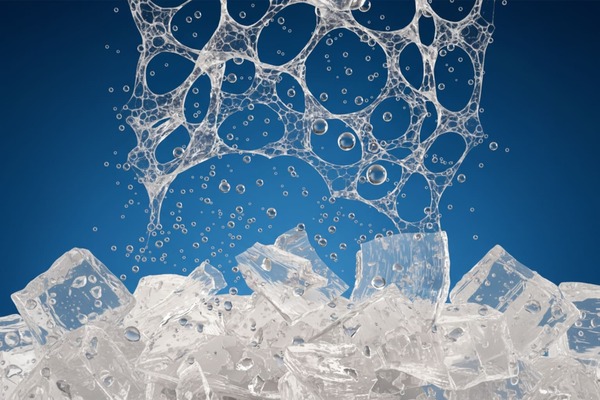
At Langyi, we often explain hydrolysis as a molecular "cutting" process. Imagine your polyurethane as a long chain. Water molecules act like tiny scissors, snipping these chains into shorter pieces. This makes the material weaker and less flexible. For example, a polyester-based PU seal that is exposed to both heat and moisture will start to lose its sealing capabilities much faster than one in a dry, cool environment. From our experience, this breakdown is particularly aggressive in the presence of even small amounts of acidic or basic contaminants, which act as catalysts. We've seen materials lose over 50% of their original strength in just a few weeks under severe conditions.
Types of Hydrolysis
| Hydrolysis Type | Description | Affected Bonds | Catalysts | Impact on Material |
|---|---|---|---|---|
| Ester Hydrolysis | Water attacks ester linkages, common in polyester polyurethanes. | Ester bonds (-COO-) | Acids, Bases, Enzymes | Loss of strength, embrittlement, stickiness. |
| Urethane Hydrolysis | Water attacks urethane linkages, less common but can occur. | Urethane bonds (-NHCOO-) | Acids, Bases | Similar to ester hydrolysis but generally slower. |
Factors Affecting Hydrolysis Rate
From our testing, several factors significantly accelerate the hydrolysis process. High temperatures increase molecular movement, making it easier for water to attack the polymer chains. High humidity means more water is available for the reaction. Even slight changes in pH, either acidic or basic, can drastically speed up the degradation. This is why we always stress the importance of considering the end-use environment when selecting materials.
Why is it Called Hydrolysis?
The term "hydrolysis" might sound complex, but its meaning is quite straightforward once you break it down. Understanding the origin of the word helps demystify the process itself.
The term "hydrolysis" comes from two Greek words: "hydro," meaning water, and "lysis," meaning to unbind or to break. Therefore, hydrolysis literally means "breaking with water," accurately describing the chemical reaction where water molecules cleave chemical bonds in a larger molecule, such as a polymer.
When Dr. Tang first explained this to me, it made perfect sense. It's not just a fancy scientific term; it tells you exactly what is happening at a molecular level. In the context of polyurethane, water isn't just sitting there; it's actively participating in a chemical reaction. It's like water is dissolving the very structure of the material. We remember a customer once asked if simply drying out a hydrolyzed part would fix it. We had to explain that once the bonds are broken, they don't magically reform. The damage is permanent. This is why prevention is so crucial.
The Chemical Mechanism
At the heart of hydrolysis lies a nucleophilic attack. The oxygen atom in a water molecule, with its lone pair of electrons, acts as a nucleophile. It attacks the carbon atom of an ester or urethane group, which is electrophilic due to its partial positive charge. This attack forms a temporary intermediate, which then breaks down, cleaving the original bond and forming a carboxylic acid and an alcohol (in ester hydrolysis) or an amine and carbon dioxide (in urethane hydrolysis). This process is effectively a reverse esterification or urethane formation.
Comparison to Other Degradation Methods
| Degradation Method | Agent | Mechanism | Polyurethane Impact |
|---|---|---|---|
| Hydrolysis | Water | Cleavage of ester/urethane bonds by water molecules. | Loss of strength, elasticity, embrittlement. |
| Oxidation | Oxygen, Heat | Free radical attack on polymer chains, forming peroxides. | Discoloration, surface cracking, loss of properties. |
| UV Degradation | UV Light | Photochemical breakdown of polymer bonds. | Yellowing, surface chalking, reduced mechanical strength. |
| Microbial Attack | Microorganisms | Enzymes secreted by microbes break down polymer chains. | Surface degradation, pitting, loss of properties. |
Understanding why it's called hydrolysis helps to grasp the specific nature of this degradation pathway, distinguishing it from other types of material breakdown.
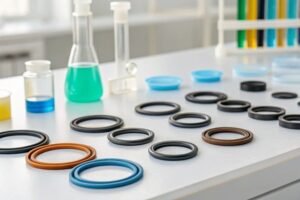
How to Make Hydrolysis Resistant Polyurethane Seals?
After understanding the destructive nature of hydrolysis, the next logical step is to find ways to combat it, especially for critical components like seals. We've spent years helping customers develop strategies for this.
To make hydrolysis-resistant polyurethane seals, a multi-faceted approach is most effective, involving the selection of inherently stable raw materials (e.g., polyether polyols over polyester polyols), careful formulation design, and the incorporation of anti-hydrolysis agents (carbodiimides are particularly effective). Additionally, proper processing and protective coatings can further enhance resistance to moisture and heat.
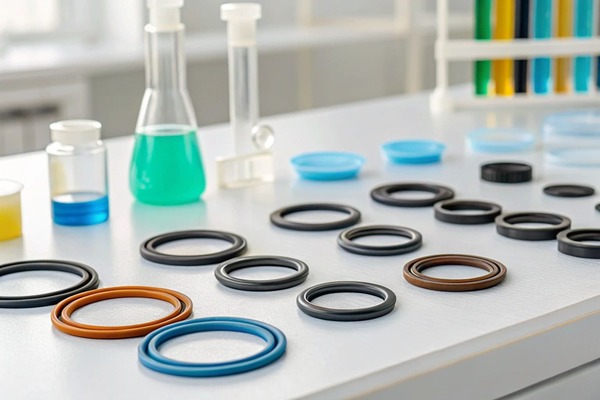
When a customer comes to us with a seal failing in a high-humidity environment, our first thought is always about material selection. While polyester PUs offer great mechanical properties, their ester linkages are a weak point. We often recommend polyether PUs, which have ether linkages that are much more resistant to hydrolysis. However, polyether PUs might not always meet all the other performance requirements. This is where anti-hydrolysis agents, like our HyMax series, become indispensable. We've seen them dramatically extend the life of seals in conditions where they would otherwise fail rapidly. It's not just about adding an ingredient; it's about optimizing the entire system.
Material Selection
Choosing the right polyol is paramount. Polyester polyols, while providing good mechanical strength, are highly susceptible to hydrolysis due to their ester linkages. Polyether polyols, on the other hand, are significantly more hydrolytically stable because their ether linkages are less reactive to water. For applications requiring extreme hydrolysis resistance, some specialized polyols, such as polycarbonate polyols, can be considered, though they come with different cost and processing considerations. From our experience, balancing hydrolytic stability with other required properties like tear strength and abrasion resistance is a constant challenge.
Role of Anti-Hydrolysis Agents
Anti-hydrolysis agents, primarily carbodiimides, are a game-changer. These compounds react with the carboxylic acid groups that are formed during the initial stages of hydrolysis. By scavenging these acids, they prevent the autocatalytic acceleration of the hydrolysis process. They essentially "repair" the damaged polymer chains by re-forming stable bonds or by reacting with the breakdown products to prevent further degradation. We've conducted numerous tests showing that even small amounts of a well-dispersed carbodiimide can increase the lifespan of a polyester PU by several times under harsh conditions.
Formulation and Processing Considerations
Beyond raw materials, the overall formulation plays a significant role. Minimizing residual catalysts and impurities from the manufacturing process, which can act as hydrolysis accelerators, is crucial. The presence of plasticizers or fillers must also be carefully evaluated, as some can leach out or themselves degrade, contributing to the problem. Proper processing, including thorough mixing and adequate curing, ensures a consistent and robust polymer network. For example, ensuring seals are fully cured eliminates unreacted groups that could become initiation points for degradation.
Surface Protection
For seals, surface integrity is key. Applying protective coatings can create a barrier against moisture ingress. These coatings, often fluorocarbon-based or specific barrier polymers, reduce the direct exposure of the polyurethane to water, thereby slowing down the hydrolysis process. While not a primary solution, they can offer an additional layer of defense in very aggressive environments.
Conclusion
Hydrolysis is a major concern for polyurethane materials, especially polyester PUs, primarily caused by water attacking polymer bonds. By carefully selecting materials, incorporating effective anti-hydrolysis agents like carbodiimides, and optimizing formulations, we can significantly enhance the durability and lifespan of polyurethane seals and other critical components.