
Differences and Connections Between Antioxidants and Anti-hydrolysis Agents
-1-1.jpg)
Introduction In the world of chemistry and materials science, a variety of compounds play essential roles in preserving the integrity and stability of substances. Among these compounds, antioxidants and anti-hydrolysis agents stand out as crucial elements. While they serve distinct purposes, there are situations where their functions intersect. This article delves into the disparities and […]
Hydrolysis of PET: Implications and Mitigation Strategies
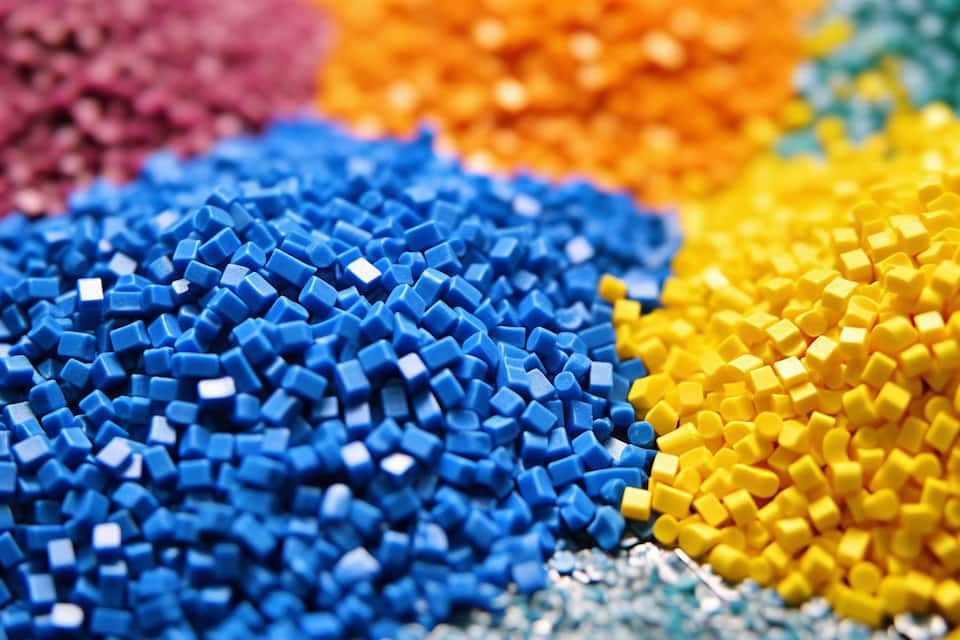
Introduction Polyethylene terephthalate, commonly referred to as PET, plays an integral role in our daily lives, serving as the primary material for the production of bottles, fibers, and a wide range of plastic products. However, PET’s vulnerability to hydrolysis has emerged as a critical concern within the context of sustainable plastic recycling and degradation. Hydrolysis […]
Polymer Crosslinkers: Key Elements for Enhancing Material Performance

Introduction In modern materials science and engineering, the performance of polymer materials holds a significant role across various industries such as aerospace, healthcare, automotive, and electronics. However, to meet the diverse demands of different applications, there is a need to enhance the performance of polymer materials in terms of strength, heat resistance, and chemical resistance. […]
How to stop hydrolysis in shoes? Tips and Solutions

Shoes are an essential part of our everyday lives, but their durability can often be compromised by a process called hydrolysis. In this article, we will explore the causes of hydrolysis, its impact on different parts of shoes, and most importantly, how to prevent it to ensure longer-lasting footwear. What is Hydrolysis? hydrolysis is a […]
Application of Anti-Hydrolysis Agents in PET Films
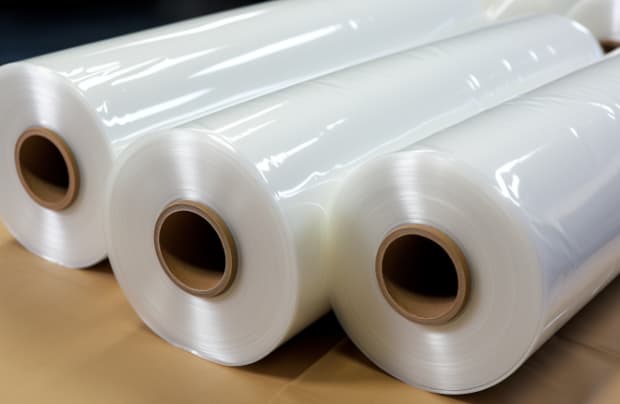
Polyethylene terephthalate (PET) films are widely used high-performance plastic materials in various fields such as packaging, industry, electronics, boasting excellent physical properties and transparency. However, PET films can undergo hydrolysis in specific environments, leading to a deterioration in their performance. To enhance the resistance of PET films to hydrolysis, anti-hydrolysis agents have been introduced, offering […]
Application of Hydrolysis-Resistant Agents in Outdoor Gear Polyester Monofilaments

Introduction In the realm of outdoor gear, the integration of hydrolysis-resistant agents into polyester monofilaments has ushered in a new era of enhanced durability and performance. These agents, meticulously designed to combat the deteriorative effects of water-induced degradation, have emerged as a game-changer in the construction of polyester monofilaments used in outdoor equipment. This article […]
The Role of Anti-hydrolysis Agents in Biodegradable PLA Tapes

In the pursuit of environmentally conscious alternatives, the world of materials science has witnessed the rise of biodegradable products as a solution to reduce our ecological footprint. Among these innovations, biodegradable PLA (polylactic acid) tapes have gained prominence for their sustainable attributes. To ensure the longevity and reliability of these tapes, anti-hydrolysis agents play a […]
A detailed explanation of the five major additives in polyurethane adhesives
In the manufacturing process of polyurethane adhesives, in addition to the basic raw materials, isocyanates and polyols, the addition of various additives is also very important. Additives can adjust the production process, improve adhesive application processes, enhance product quality, and expand the application range. Tertiary Amine Catalysts: Tertiary amine catalysts are particularly effective in promoting […]
Discovering Water-Based Polyurethane Ink: Formulation and Enhanced Adhesion
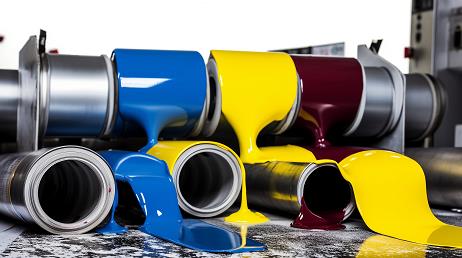
Introduction: Water-based polyurethane ink is a revolutionary and eco-friendly alternative to traditional solvent-based inks, offering exceptional adhesion properties and vibrant colors. In this article, we will delve into the composition of water-based polyurethane ink, explore its versatile applications, and discuss effective methods to enhance its adhesion capabilities. 1. Understanding Water-Based Polyurethane Ink: Water-based polyurethane ink […]