
What is coating?
Everything you need to know about coatings -- their purpose, materials, composition, and how they protect and enhance surfaces.
What is coating?
Coating is a material applied to the surface of an object, serving to protect, decorate, or alter its appearance and properties. It can be in the form of liquids, powders, or other materials, applied to the surface to form a thin film that imparts different characteristics and functions to the object.
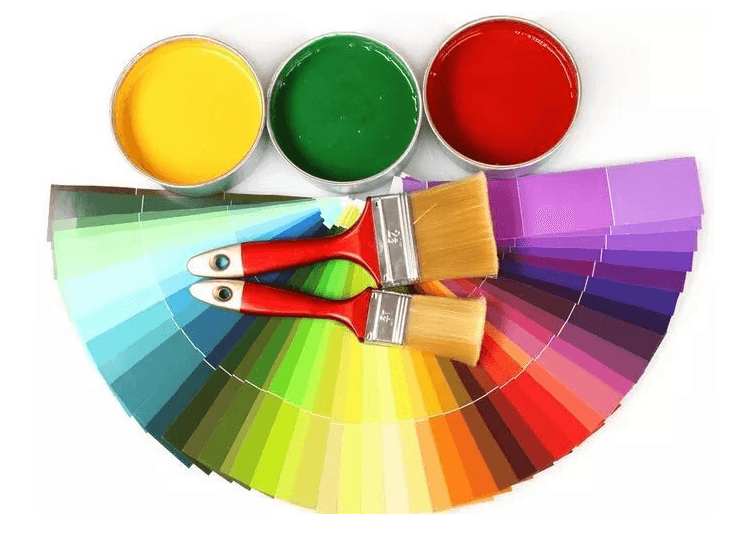
What's the purpose of coating?
The purpose of coating, whether in the form of paint, varnish, or specialized coatings, serves several important functions:
Protection
Coatings act as a protective layer, shielding surfaces from moisture, UV radiation, corrosion, abrasion, and chemical exposure -- extending the lifespan of materials and structures.
Enhanced Durability
By providing a barrier against wear and tear, coatings make surfaces more resistant to scratches, impacts, and other forms of mechanical damage.
Aesthetic Enhancement
Available in various colors, finishes, and textures, coatings allow for customization and make surfaces more visually appealing.
Functional Improvement
Coatings can add non-stick characteristics, adjust friction, improve conductivity, or add waterproofing abilities to a surface.
Corrosion Resistance
Certain coatings are specifically designed to prevent corrosion on metal surfaces, prolonging the life of structures and equipment.
Easy Maintenance
Coatings facilitate easier cleaning by making surfaces less prone to accumulating dirt, grime, or other contaminants.
Health and Safety
Some coatings are formulated with additives that provide anti-bacterial or anti-microbial properties, contributing to a healthier and safer environment.
What are the commonly used coating materials?
Commonly used coating materials include various resins, polymers, paints, coatings, metal coatings, and ceramic coatings, among others. Different coating materials possess distinct characteristics and applications. For instance, polymer coatings are often used for protection and decoration, while metal coatings might primarily offer corrosion resistance.
Is coating the same as paint?
Paints and coatings share similarities but are not entirely synonymous. Paints typically refer to applied materials used for decoration and surface protection, while coatings are a more general term encompassing paints as well as other types of covering materials, such as metal coatings or plastic films.
What are paint and coatings made out of?
Paints and coatings are composed of several key components that contribute to their functionality, appearance, and performance. These components include:
-
1
Pigments
Provide color, opacity, and visual properties. Pigments can be organic or inorganic compounds and are finely ground to give the desired color.
-
2
Binders or Resins
Film-forming components that hold pigment particles together and adhere them to the surface. Common binders include acrylics, alkyds, epoxies, and polyurethanes.
-
3
Solvents or Carriers
Liquids used to dissolve or disperse the binder and pigments. Solvents evaporate during drying or curing, leaving the solid components behind.
-
4
Additives
Auxiliary ingredients added in small quantities to enhance properties -- preventing mildew, improving flow and leveling, controlling drying time, or enhancing UV resistance.