
What is a Polycarbodiimide
Crosslinking Agent?
A comprehensive Q&A guide to polycarbodiimide chemistry, applications, and performance -- brought to you by Shanghai Langyi Functional Materials.
What are crosslinking agents?
Crosslinking agents, also known as crosslinkers, are chemical compounds that create strong covalent bonds between polymer chains or other molecular structures. These bonds form bridges between molecules -- effectively "crosslinking" them together -- enhancing their overall properties. The process is often referred to as curing or vulcanization, depending on the specific materials involved.
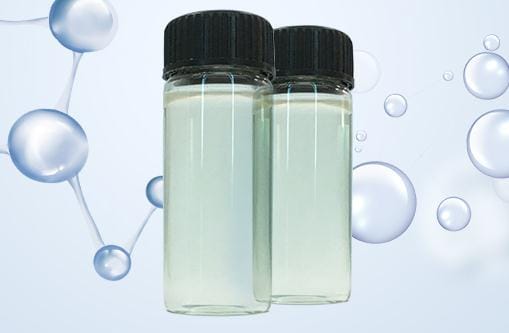
Common types of crosslinking agents
Different chemistries deliver distinct performance profiles across industries -- from rubber vulcanization to advanced composite manufacturing.
Peroxides
Organic peroxides are widely used for rubber and plastics. When heated, they initiate crosslinking and form strong covalent bonds between polymer chains.
Silanes
Silane coupling agents enhance adhesion between organic polymers and inorganic surfaces -- essential for composites, sealants, and adhesives.
Isocyanates
Used in polyurethane foams, coatings, and adhesives. They react with hydroxyl groups to create strong, durable urethane linkages.
Sulfur
A cornerstone of rubber vulcanization. Combined with heat, sulfur forms bridges between polymer chains that greatly improve mechanical properties.
Polycarbodiimide
Used in biomedical materials and industrial adhesives. Creates covalent bonds between polymer chains, enhancing strength and long-term stability.
What is a polycarbodiimide crosslinking agent?
Polycarbodiimide crosslinking agents -- also known as PCDI -- are chemical compounds used to facilitate crosslinking reactions in polymers and coatings. They contain highly reactive polycarbodiimide functional groups capable of forming covalent bonds between polymer chains.
This crosslinking process significantly improves the mechanical properties, thermal stability, and chemical resistance of the treated material.
-
01
Functional Groups
Polycarbodiimides feature highly reactive carbodiimide (-N=C=N-) functional groups that readily participate in crosslinking reactions.
-
02
Crosslinking Process
When mixed with a polymer or coating, carbodiimide groups react with carboxyl (-COOH), hydroxyl (-OH), or amine (-NH₂) groups.
-
03
Formation of Covalent Bonds
The reaction produces amide or urethane bonds, creating a robust three-dimensional network that dramatically improves the material's performance.
Applications of polycarbodiimide crosslinking agents
PCDI enables engineers to tailor material properties across a broad range of industrial and commercial applications.
Polymer Modification
Enhances mechanical strength, thermal stability, and chemical resistance -- critical for automotive, construction, and aerospace industries.
Coatings & Adhesives
Improves durability and performance -- creating coatings and adhesives more resistant to wear, chemicals, and environmental exposure.
Textiles
In textile finishing, PCDI enhances dimensional stability, wrinkle resistance, and long-term durability of fabrics.
Biomedical Applications
Applied in tissue engineering scaffolds and drug delivery systems, where controlled crosslinking is critical.
The choice of polycarbodiimide crosslinking agent depends on the specific application and its compatibility with the target polymer. At Langyi, we help customers select -- and customize -- the right PCDI grade to meet demanding industrial requirements.
Need a custom polycarbodiimide solution?
Shanghai Langyi's technical team supports formulation optimization, sample evaluation, and stable global supply of carbodiimide series products.