

Are you struggling to find flame retardant additives1 amidst export bans? The search for effective and safe alternatives can be tough.
Zirconium phosphate (ZrP) offers a promising solution, effectively replacing antimony trioxide in flame retardant applications with lower addition levels. As a safe and environmentally friendly inorganic compound, ZrP provides an excellent alternative for your material needs.
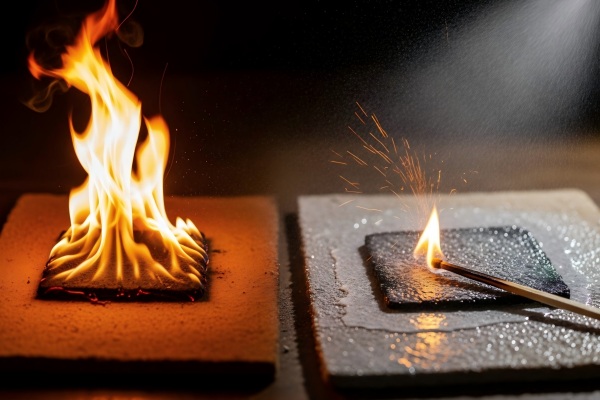
The chemical industry often faces changes, and right now, many are looking for new flame retardant options. This is why I want to share my thoughts on a key material, zirconium phosphate, as a replacement for antimony trioxide.
What is the nature of antimony pentoxide?
Are you familiar with the properties of antimony pentoxide and its role in flame retardants? Understanding this compound is crucial for finding good alternatives.
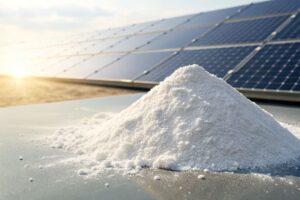
Antimony pentoxide is an inorganic compound, usually appearing as a white powder. It plays a key part in flame retardant systems, often working with halogen-containing compounds to stop fires.
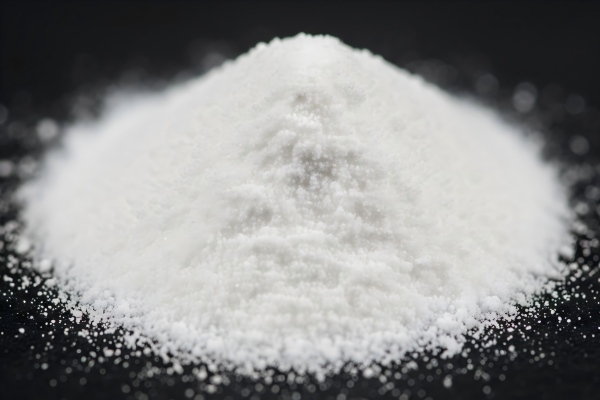
Antimony pentoxide is a metal oxide. It has a high melting point and a low solubility in water. This makes it stable in many environments. In terms of safety, antimony compounds are often seen as toxic. This is especially true for antimony trioxide, which is more commonly known and used. Because of this, regulators are looking at them more closely. Many industries are looking for safer replacements. My company, Langyi, has seen this need growing for years. We know that finding effective but safer materials is very important. This is why we focus on new solutions.
| Property | Value / Description |
|---|---|
| Chemical Formula | Sb2O3 |
| Appearance | White powder |
| Melting Point | ~375 °C (decomposes) |
| Solubility in Water | Low |
| Toxicity | Considered toxic, especially antimony trioxide |
| Common Use | Synergist in flame retardant formulations |
Why is antimony oxide used as a flame retardant?
Do you know why antimony oxide has been a popular choice for flame retardants for so long? Its unique properties make it very effective in fire prevention.
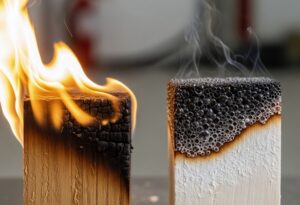
Antimony oxide, specifically antimony trioxide, works as a synergist in halogenated flame retardant systems. It helps create char and forms non-combustible gases, stopping the fire from spreading quickly.
Antimony oxide does not make materials flame retardant on its own. It needs a partner. It usually works with halogenated compounds2. When heat from a fire hits the material, the halogenated compound releases halogen radicals. Antimony trioxide reacts with these radicals. This creates antimony halides. These antimony halides are gases. They are effective in the gas phase of a fire. They stop the chain reactions that make fire spread. Also, antimony oxide helps form a carbon-rich char layer on the material's surface. This char acts as a barrier. It blocks heat and oxygen from getting to the fuel below. This char slows down burning. It also reduces smoke. This dual action makes antimony oxide very good at stopping fires. Over the 15 years I have been at Langyi, I have seen many ways companies try to make products safer from fire. Antimony trioxide was a standard for a long time because it worked so well. But now, with changes in regulations and a push for greener products, we must find new ways. Our team at Langyi is always looking for better and safer options for our customers.
| Mechanism | Description |
|---|---|
| Gaseous Phase | Reacts with halogens to form antimony halides, which inhibit free radical reactions in the flame. |
| Condensed Phase | Promotes the formation of a char layer on the material surface, acting as a thermal and oxygen barrier. |
| Synergistic Effect | Enhances the efficiency of halogenated flame retardants. |
What is a substitute for antimony trioxide?
Are you wondering if there are good and safe alternatives to antimony trioxide? Finding a reliable replacement is now a top priority for many industries.
Zirconium phosphate (ZrP) stands out as an excellent substitute for antimony trioxide. It is an inorganic, environmentally friendly compound that actively stops fires by forming a protective char layer and releasing water.
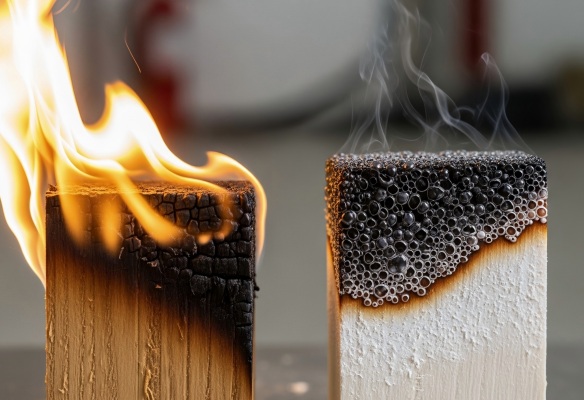
Zirconium phosphate (ZrP) offers a clean and effective alternative. ZrP is inorganic. This means it is stable and does not break down easily. It also does not release toxic fumes when burning. This is a big plus for safety and the environment. Studies have shown that ZrP can match or even do better than antimony trioxide in some flame retardant uses. It needs lower addition levels to work. This means you use less material. This can save costs. When heated, ZrP forms a stable char. This char layer acts as a barrier. It protects the material from heat and oxygen. ZrP also releases water vapor when heated. This helps cool the burning surface. It further dilutes flammable gases. This dual action is very powerful. At Langyi, we have worked hard to understand new materials. We know how important it is to find replacements that are both effective and safe. ZrP fits this perfectly. It is a solution that meets today's demands for better, cleaner materials. As a material scientist, Dr. Tang, our founder, always pushed for this kind of innovation. We see it as a core part of who Langyi is.
| Feature | Zirconium Phosphate (ZrP) | Antimony Trioxide (Sb2O3) |
|---|---|---|
| Nature | Inorganic, non-toxic | Inorganic, considered toxic |
| Main Mechanism | Char formation, water release, acts as a barrier | Gaseous phase flame inhibition (with halogens), char promotion |
| Environmental Impact | Environmentally friendly | Concerns about toxicity and heavy metal presence |
| Addition Level | Lower addition levels needed for similar or better performance | Higher addition levels often required |
| Synergist Requirement | Can work independently or with other non-halogenated systems | Requires halogenated compounds2 for effectiveness |
| Safety | Safer to handle and use | Handling precautions needed due to toxicity |
Conclusion
Finding better flame retardants is key in materials science. ZrP provides a safer, more effective, and environmentally friendly alternative to antimony trioxide.