



Are your crops not thriving as they should, despite using agricultural films? Traditional films often fall short in regulating temperature and optimizing light, impacting plant growth and yield. It's time to upgrade your film technology for better results!
Agricultural films are specialized plastic coverings used in farming to create a controlled microclimate, influencing temperature, humidity, and light conditions for optimal crop growth. Enhancing these films with advanced additives like cesium tungstate can significantly boost their performance.
In Langyi We've seen how a small change in material science can make a huge difference in application. For years, we’ve focused on functional additives, and the agricultural sector is a prime example where innovative materials can truly revolutionize traditional methods, leading to healthier crops and better yields for farmers.
What Exactly is an Agricultural Film, and Why Does it Matter?
Are you curious about the plastic sheets covering fields and greenhouses? Many people see them but don't realize their vital role in modern agriculture. Understanding what an agricultural film is can help you appreciate its importance for crop success.
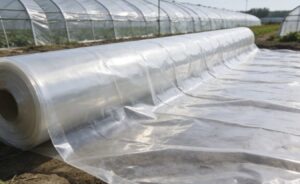
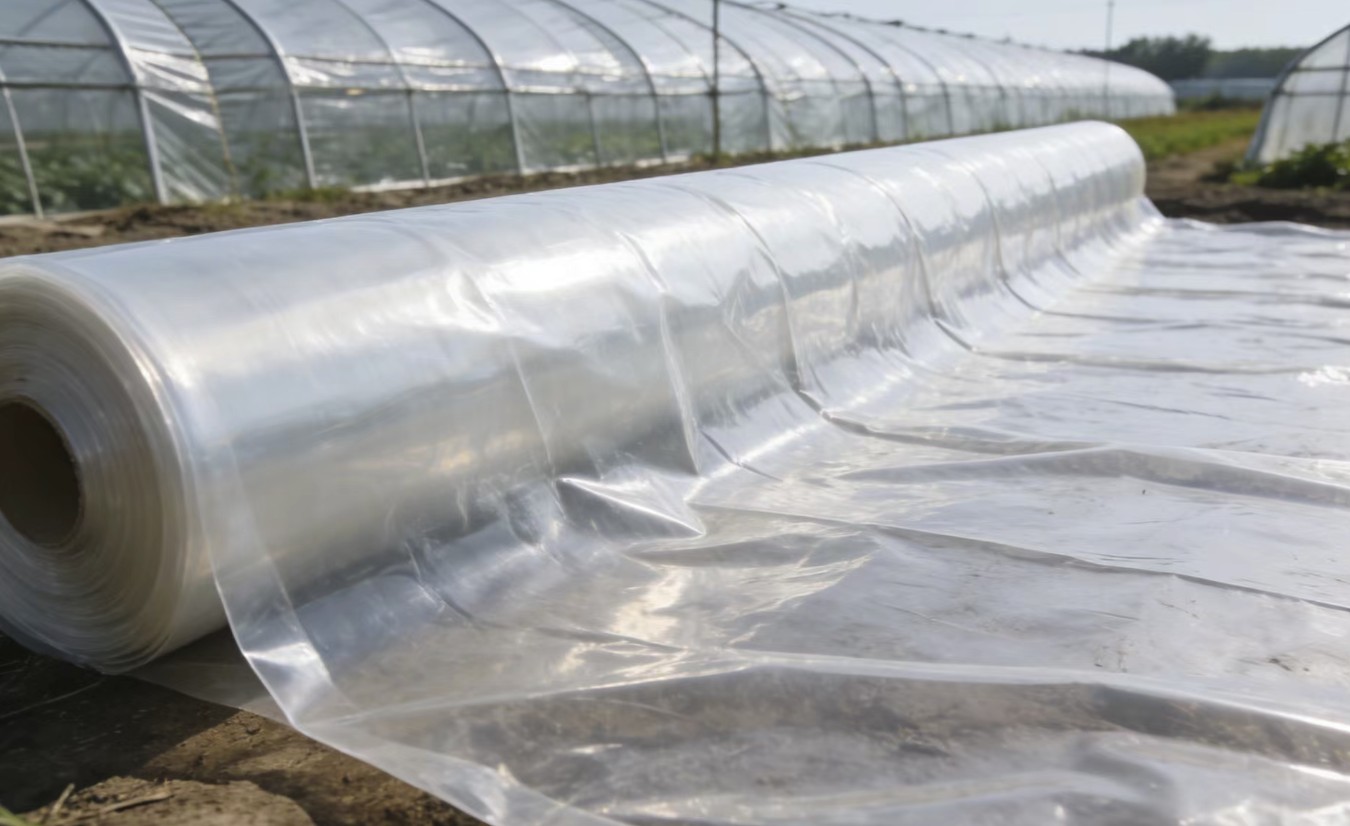
An agricultural film is a plastic sheeting, typically made from polyethylene, designed to modify the microenvironment around plants. Its primary functions include regulating soil temperature, conserving moisture, suppressing weeds, and sometimes altering the light spectrum to enhance plant growth and extend growing seasons.
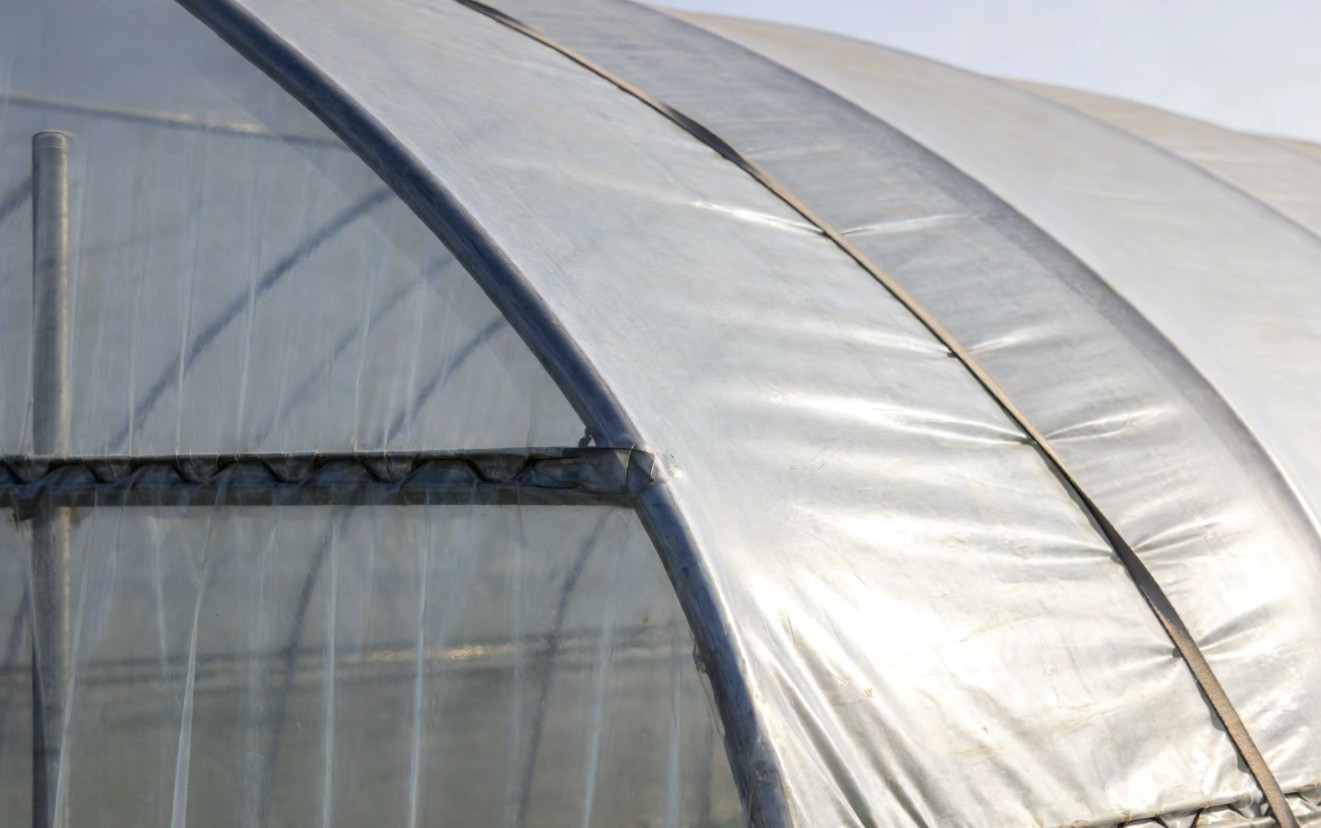
We've learned that these films are much more than just plastic. They are precision tools for farmers. Even seemingly simple materials like plastic films could be optimized with the right functional additives to solve complex problems in various industries, including agriculture.
The Different Types and Uses of Agricultural Films
Agricultural films come in various forms, each tailored for specific needs. Let me break down the most common types and their critical applications.
| Film Type | Primary Function | Key Benefits | Common Materials |
|---|---|---|---|
| Mulch Films | Covers soil to control temperature, moisture, and weeds. | Improves crop yield, reduces water usage, suppresses weed growth. | LDPE, LLDPE |
| Greenhouse Films | Covers structures to create a protected growing environment. | Extends growing season, protects from extreme weather, controls light and heat. | LDPE, EVA, POE |
| Tunnel Films | Forms mini-tunnels over rows of crops for early season protection. | Accelerates growth, protects young plants from frost and pests. | LDPE, LLDPE |
| Silage Films | Wraps bales of forage to preserve nutrients for livestock feed. | Maintains fodder quality, prevents spoilage, enables long-term storage. | LLDPE |
Each type of film has a specific job, but they all share the goal of enhancing agricultural productivity. For example, greenhouse films are essential for cultivating sensitive crops or growing out of season. Our work at Langyi focuses on improving these films so they can perform their jobs even better, making them more durable and more effective.
What are the Benefits of Cesium Tungstate in Agricultural Film?
Are you looking for an edge to boost your crop yields and protect them from harsh conditions? Adding specialized materials to agricultural films can make a significant difference. Let me explain how cesium tungstate can be a game-changer.
Cesium tungstate, a near-infrared (NIR) absorbing material, significantly benefits agricultural films by selectively blocking harmful IR radiation while allowing beneficial visible light to pass through. This unique property helps to maintain a stable, cooler temperature inside greenhouses and tunnels, protecting plants from heat stress and optimizing growth conditions.
When we started researching IR additives at Langyi, the potential for agriculture was immediately clear. Farmers face constant challenges with climate control. I believe that by integrating materials like cesium tungstate, we can offer a simple yet powerful solution to help them manage their growing environments more effectively.
How Cesium Tungstate Transforms Film Performance
The magic of cesium tungstate lies in its selective absorption properties. It’s not just blocking all light; it’s being smart about it.
Cesium tungstate nanoparticles possess excellent near-infrared (NIR) absorption capabilities. When incorporated into agricultural films, these nanoparticles act as a thermal regulator. During hot, sunny periods, they absorb a significant portion of the NIR radiation, which is responsible for heating up the interior of greenhouses and tunnels. By absorbing this heat, cesium tungstate helps to keep the internal temperature cooler and more stable, preventing heat stress in plants. Simultaneously, it allows a high percentage of visible light, essential for photosynthesis, to pass through largely unhindered. This selective light management means that plants receive the necessary light for growth without the accompanying excessive heat. This leads to several benefits: reduced need for ventilation or shading, lower energy costs for cooling, and most importantly, a more consistent and optimal growing environment for crops. This can result in increased plant vigor, improved crop quality, and higher yields, especially in regions prone to high solar radiation.
Comparative Benefits of Cesium Tungstate
To truly appreciate cesium tungstate, it helps to compare its performance against other common film additives.
| Feature | Traditional Film Additives (e.g., UV stabilizers, anti-fog) | Cesium Tungstate (NIR Blocker) |
|---|---|---|
| Heat Management | Limited to no direct thermal regulation. | Actively absorbs NIR, significantly reducing internal temperatures. |
| Light Spectrum Control | Primarily focuses on UV blocking or diffusion. | Selectively blocks NIR while transmitting visible light crucial for growth. |
| Crop Protection | Protects from UV degradation, maintains film clarity. | Protects from heat stress, prevents sunburn, promotes healthier growth. |
| Energy Savings | Minimal direct energy savings related to climate control. | Reduces cooling energy demand in greenhouses. |
| Growth Optimization | Indirect benefits through film durability. | Direct benefits through optimized temperature and light conditions. |
This comparison highlights why cesium tungstate is a superior choice for advanced agricultural films. It addresses a critical pain point for farmers: temperature control under intense sunlight, something other additives don’t directly tackle. I believe this specialized approach is what makes the biggest difference for our clients.
How Can We Add IR Additives Like Cesium Tungstate into Agricultural Film?
Are you wondering about the practical steps to integrate advanced materials like cesium tungstate into agricultural films? It’s a key challenge to ensure these powerful additives are used effectively. I want to explain how we make this happen.
Adding IR additives like cesium tungstate into agricultural film typically involves compounding them into a masterbatch, which is then blended with the base polymer (usually polyethylene) during the film extrusion process. The main challenge is achieving uniform dispersion of the nanoparticles within the film to ensure consistent IR blocking performance.
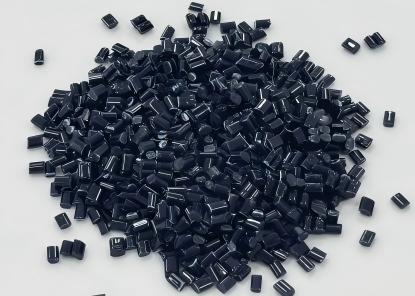 IR blocking PE masterbatch
This is where Langyi’s expertise truly shines. When I mentioned in my insights that "it is not easy to disperse cesium tungstate uniformly into the film," that's based on years of overcoming precisely this kind of challenge. Our mission is to make these advanced materials usable and effective for our customers.
Conclusion
Cesium tungstate dramatically enhances agricultural films by managing IR radiation, stabilizing temperatures, and boosting crop health. While dispersion is key, proper masterbatch formulation ensures uniform integration, leading to superior growing conditions and increased yields.