






Are you searching for advanced materials that offer superior heat insulation without compromising visible light? Traditional methods often fall short, leaving you with a dilemma between comfort and clarity.
Cesium Tungstate is emerging as a next-generation heat insulation material because of its exceptional ability to selectively absorb near-infrared (NIR) light, which is a major component of solar heat, while maintaining high transparency to visible light, making it ideal for energy-saving applications like smart windows and coatings.

My journey with Langyi, especially as the first employee alongside Dr. Tang, has been marked by a continuous quest for innovative solutions in material science. We've always focused on how functional additives can solve real-world problems. Cesium Tungstate is a fascinating example of how a specialized material can offer a game-changing solution for energy efficiency, a topic I'm passionate about.
What is Cesium Tungstate and its properties?
Do you ever wonder about the chemical composition and unique characteristics that make certain materials stand out? Cesium Tungstate might sound complex, but its properties are truly remarkable.
Cesium Tungstate (CsxWO3) is a non-stoichiometric inorganic compound, specifically a tungsten bronze, known for its outstanding ability to selectively absorb near-infrared (NIR) radiation while maintaining high transparency in the visible light spectrum due to its unique crystal structure and electronic band properties.
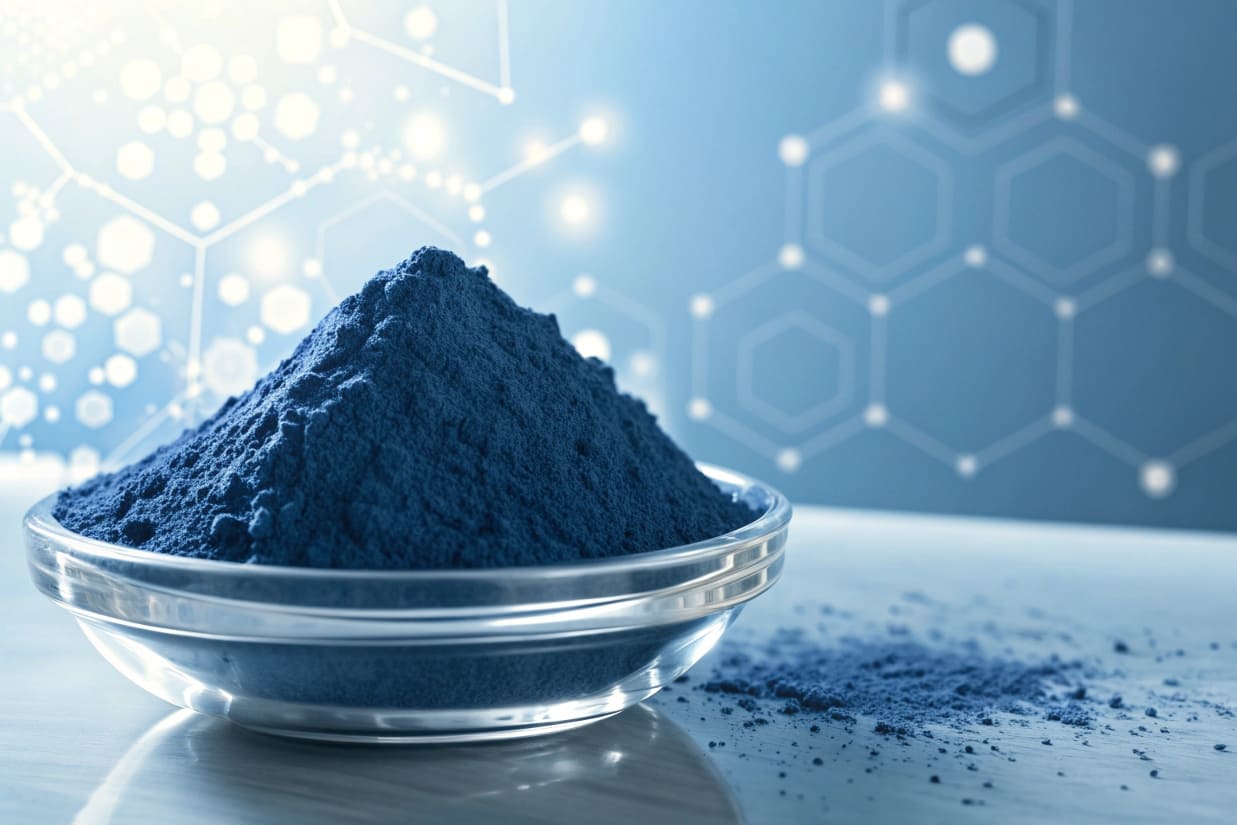
In my work at Langyi, I've seen many materials, but Cesium Tungstate truly captivated me. Dr. Tang often emphasized the importance of understanding a material's fundamental properties to unlock its potential. For Cesium Tungstate, its crystal structure, particularly its hexagonal or tetragonal tungsten bronze forms, plays a crucial role in its optical behavior. It's like a finely tuned filter, allowing good light to pass while blocking unwanted heat. This selective absorption is not just a scientific curiosity; it's the core of its utility in energy-saving applications.
Unpacking the Wonders of Cesium Tungstate: A Deeper Look
So, what are the specific properties that make Cesium Tungstate such a unique material, especially for heat insulation? Let's break down its key characteristics.
| Property | Description | Significance for Heat Insulation |
|---|---|---|
| NIR Absorption | Strong and selective absorption of near-infrared radiation (780-2500 nm), particularly in the region responsible for solar heat. | Blocks radiant heat efficiently, keeping interiors cooler without darkening the space. |
| Visible Transparency | High transmittance of visible light (400-780 nm), allowing for clear views and natural illumination. | Maintains visual clarity and aesthetic appeal, crucial for windows and architectural applications. |
| Chemical Stability | Exhibits excellent chemical stability, resisting degradation from environmental factors and common chemicals. | Ensures long-term performance and durability in various applications, even harsh conditions. |
| Thermal Stability | Maintains its properties over a wide range of temperatures, essential for applications exposed to varying thermal loads. | Reliable performance in hot climates or environments with significant temperature fluctuations. |
| Particle Size | Can be synthesized as nanoparticles, which are critical for achieving high transparency when dispersed in films or coatings. | Allows for uniform dispersion and minimal light scattering, enhancing clarity and performance. |
When Dr. Tang first introduced me to the concept of selective NIR absorption, I was intrigued. At Langyi, our mission is to provide functional additives that make a real difference. Cesium Tungstate achieves this by acting as a passive solar control agent. Unlike traditional tinted glass that blocks all light, making rooms dark, Cesium Tungstate allows bright, natural light while filtering out the heat-generating part of the spectrum. I've personally seen how a thin film containing these nanoparticles can transform a scorching sunny window into a comfortably cool one without sacrificing the view. This selective behavior is what truly sets it apart, making it a powerful tool in our pursuit of energy efficiency.
What are heat insulating materials?
Have you ever wondered what exactly defines a material as a "heat insulator"? It's more than just feeling cool to the touch; it's about controlling energy flow.
Heat insulating materials are substances designed to reduce the rate of heat transfer between two regions at different temperatures, primarily by minimizing conduction, convection, and radiation, thereby helping to maintain desired temperature levels and improve energy efficiency in various applications.

Working at Langyi, I've come to appreciate the science behind seemingly simple concepts. Heat insulation is a fundamental principle in everything from our homes to industrial processes. Our goal is often to prevent energy loss or gain. For example, keeping a building warm in winter or cool in summer directly relies on effective insulation. It's about creating barriers that slow down the natural tendency of heat to move from warmer to cooler areas.
The Science of Slowing Heat: How Insulators Work
So, how do these materials actually manage to slow down heat transfer? It's a combination of physical properties and ingenious design.
| Mechanism | Description | How Insulators Utilize It |
|---|---|---|
| Conduction | Heat transfer through direct contact between particles, where kinetic energy is passed from one molecule to the next. | Insulators often have low thermal conductivity, meaning their molecules are poor at transferring energy. |
| Convection | Heat transfer through the movement of fluids (liquids or gases), carrying thermal energy from one place to another. | Many insulators trap air or other gases, preventing their circulation and thus convective heat transfer. |
| Radiation | Heat transfer through electromagnetic waves, which can travel through a vacuum and doesn't require a medium. | Some insulators incorporate reflective surfaces or materials that absorb and re-emit radiation poorly. |
| Material Structure | The internal arrangement of atoms and molecules, often with porous or fibrous structures. | Creates air pockets that are poor conductors and limit convection. |
| Density | The mass per unit volume of a material. | Lower density often correlates with better insulation properties due to more trapped air. |
From my early days at Langyi, Dr. Tang taught me that understanding these mechanisms is key to designing effective functional additives. Traditional insulators like fiberglass or foam primarily work by trapping air, which is a poor conductor of heat, thereby reducing conduction and convection. However, radiant heat, especially from the sun, often requires a different approach. This is where materials like Cesium Tungstate come into play, specifically addressing the radiative component of heat transfer by selectively absorbing NIR. It’s about tailoring the insulation to the specific challenge, something we constantly strive for at Langyi.
What materials are good for heat insulation?
With so many options available, how do we determine which materials truly excel at heat insulation? It's not a one-size-fits-all answer, as different applications demand different properties.
Materials good for heat insulation typically possess low thermal conductivity, often due to porous structures that trap air, or they exhibit high reflectivity or selective absorption properties to manage radiant heat, including common materials like fiberglass, foam, and advanced substances such as Cesium Tungstate.

During my time at Langyi, evaluating and comparing material performance has been a core part of my role. There's a vast array of insulating materials, each with its strengths and ideal applications. The "best" material often depends on the specific requirements, such as cost, weight, temperature range, and the type of heat transfer being addressed. For example, insulating a freezer is very different from insulating a window against solar gain.
A Comparative Look: Traditional vs. Advanced Insulators
Let's explore some common and advanced heat insulating materials, comparing their characteristics and typical applications.
| Material Type | Primary Mechanism | Advantages | Disadvantages | Typical Applications |
|---|---|---|---|---|
| Fiberglass/Mineral Wool | Trapped air (conduction/convection) | Cost-effective, non-combustible, good acoustic properties. | Can be itchy to handle, moisture can reduce effectiveness. | Wall cavities, attics, pipes, industrial insulation. |
| Foam Boards (EPS, XPS, PIR) | Trapped gas (conduction/convection) | High R-value per inch, lightweight, moisture resistant. | Can be more expensive, some types are flammable, limited breathability. | Exterior walls, roofs, floors, foundation insulation. |
| Aerogels | Nanoporous structure (conduction/convection) | Extremely low thermal conductivity, very lightweight. | Very expensive, brittle, often limited to specialized applications. | Aerospace, high-performance insulation, niche products. |
| Reflective Insulation | Radiation reflection | Excellent for blocking radiant heat, lightweight, thin. | Less effective against conduction/convection, can be damaged easily. | Attics, roofs, radiant barriers. |
| Cesium Tungstate | Selective NIR absorption | Blocks solar heat while maintaining visible light transparency, highly effective. | Currently more specialized and higher cost than traditional materials. | Smart windows, transparent coatings, automotive glass. |
When we started at Langyi, we often discussed how to complement existing solutions. While fiberglass and foams are excellent for bulk insulation, they don't solve the problem of heat coming through windows. That's where materials like Cesium Tungstate really shine. It offers a solution that traditional insulators simply cannot provide: clear, heat-blocking transparency. For instance, in a sunny climate, reducing solar heat gain through windows can have a much larger impact on cooling costs than adding more wall insulation. This focus on specific, targeted solutions is what drives innovation at Langyi, aiming to provide additives that precisely address the limitations of conventional materials.
Application of Cesium Tungstate in energy saving area
How can the unique properties of Cesium Tungstate be leveraged to make a tangible difference in energy saving? It's all about strategic application and innovative product development.
Cesium Tungstate is revolutionizing energy saving by enabling the creation of smart windows, transparent coatings, and films that selectively block near-infrared radiation, thereby significantly reducing cooling loads in buildings and vehicles, and maintaining comfortable indoor temperatures without sacrificing natural light.
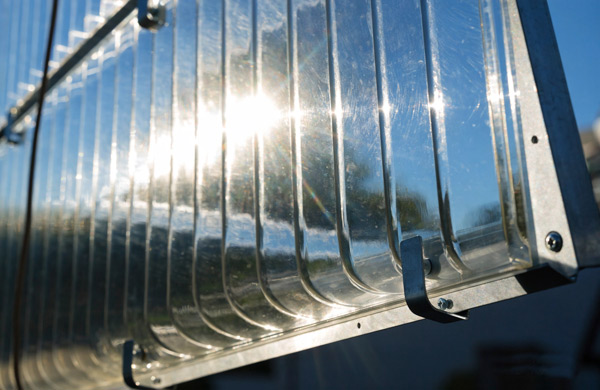
At Langyi, our mission is to be a hidden champion by providing professional, impactful solutions. Cesium Tungstate perfectly embodies this. We've seen firsthand how our ability to uniformly disperse these nanoparticles into various matrices is the key to unlocking their full potential. This uniform dispersion allows the material to perform its selective NIR absorption effectively, making a real difference in energy consumption.
Driving Efficiency: Key Applications and the Role of Dispersion
Let's explore the practical ways Cesium Tungstate is being used to enhance energy efficiency, emphasizing the critical role of proper material integration.
| Application Area | Specific Use | Energy Saving Impact | Role of Uniform Dispersion |
|---|---|---|---|
| Smart Windows | Integrated into window films, laminates, or coatings on glass. | Reduces solar heat gain by 30-50%, lowering air conditioning usage and electricity bills. | Ensures consistent clarity and NIR absorption across the entire window surface. |
| Architectural Coatings | Applied as transparent coatings on building facades, skylights, and conservatories. | Keeps interiors cooler, extending the lifespan of HVAC systems and reducing maintenance. | Prevents haze, maintains desired aesthetic, and guarantees effective heat blocking. |
| Automotive Glass | Used in car windshields, side windows, and sunroofs. | Decreases cabin temperature, reducing fuel consumption from air conditioning. | Provides a clear field of vision for drivers while filtering out heat. |
| Greenhouse Films | Incorporated into polyethylene films for agricultural greenhouses. | Regulates internal temperature, protecting crops from overheating and reducing ventilation costs. | Ensures even temperature distribution and optimal plant growth conditions. |
| Injection Molding Parts | Mixed into polymers for transparent or semi-transparent parts that require heat management, such as electronic displays or covers. | Prevents heat buildup in sensitive electronics, improving performance and longevity. | Achieves consistent optical properties and heat-blocking performance in finished parts. |
My insight, gained from years of working with functional additives at Langyi, is that the true magic happens at the microscopic level. It's not enough to just have the Cesium Tungstate powder; the key is to uniformly disperse it into the films, coatings, or injection molding parts. If the particles clump together, you get haze, reduced visible light transmission, and inconsistent heat blocking. We've dedicated significant effort at Langyi to developing proprietary dispersion technologies that ensure these nanoparticles are perfectly distributed, maximizing their potential. This meticulous attention to detail is what allows Cesium Tungstate to move from a laboratory curiosity to a practical, powerful tool in the global effort towards energy conservation.
Conclusion
Cesium Tungstate stands out as a superior heat insulation material due to its selective NIR absorption and visible light transparency. Its effective application in various energy-saving fields hinges on uniform dispersion, a challenge we at Langyi expertly address.