
Is your PU leather cracking, peeling, and looking old before its time? This common failure shortens product life, leading to customer complaints and damaging your brand's reputation for quality.
You can dramatically improve PU leather performance by adding a carbodiimide anti-hydrolysis agent. This additive protects the polyurethane resin from moisture damage, stopping the chemical breakdown that causes cracks and extending the material's useful life.
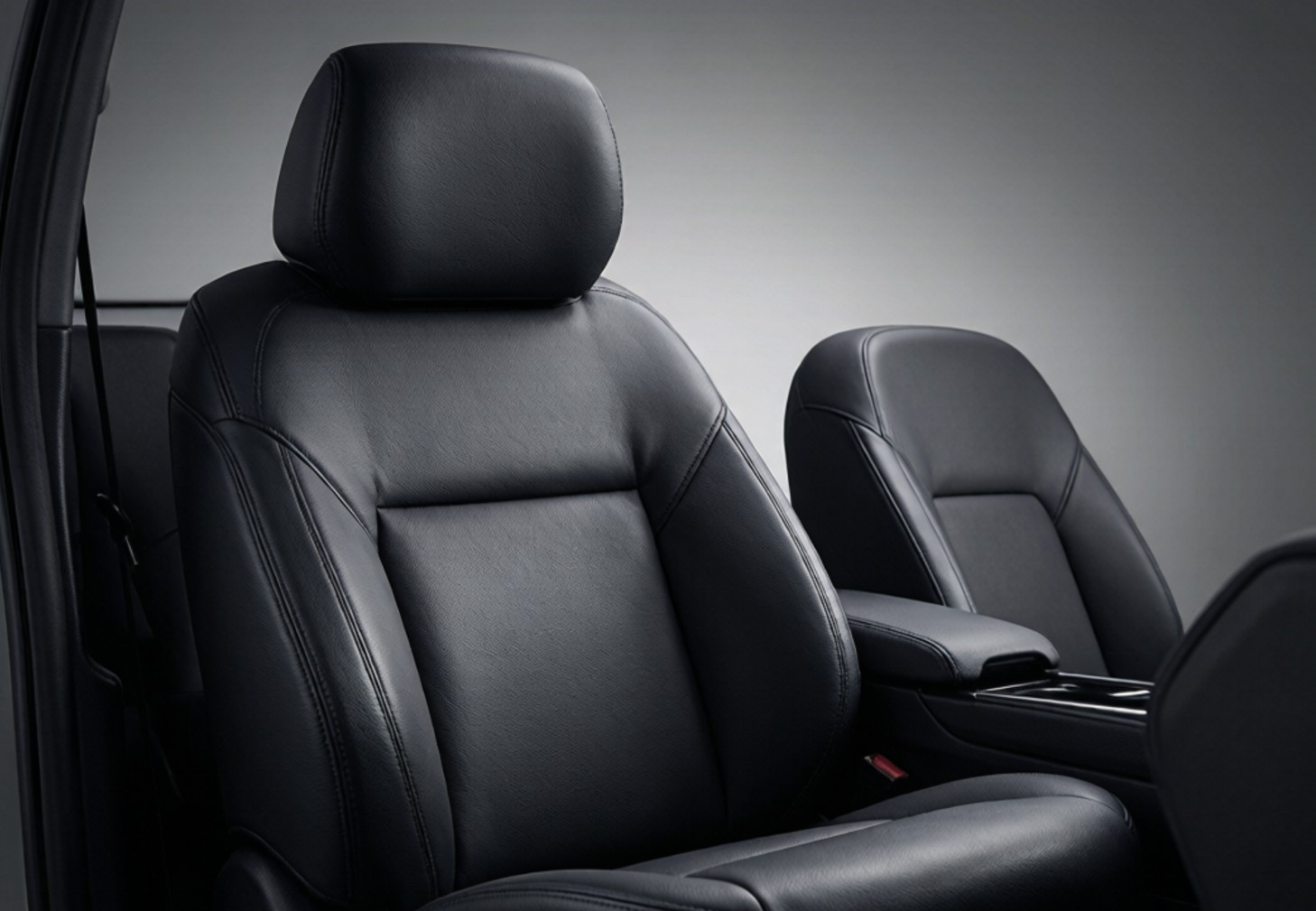
I remember a few years ago, a client from the automotive sector came to us with a big problem. Their car seats, made from high-grade PU leather, were failing. Customers complained that the seats started cracking and peeling after just a couple of years, especially in humid regions. Their reputation for luxury and durability was at risk. They thought they needed to switch to a much more expensive material. I explained that the issue wasn't the PU leather itself, but its natural weakness against moisture, a process called hydrolysis. The good news was they didn't need a massive change. A small, targeted addition to their existing formula could solve the problem effectively and affordably. Let's explore what synthetic leather is and how this works.
What Exactly Is 100% Synthetic Leather?
You see "synthetic leather" on product labels everywhere, but the term can be confusing. Not all synthetic leathers are the same, and choosing the wrong type can lead to poor performance.
100% synthetic leather is a completely man-made material designed to mimic genuine leather, containing no animal products. It is usually a multi-layer fabric coated with a polymer, most commonly polyurethane (PU) or polyvinyl chloride (PVC), to create the finish.
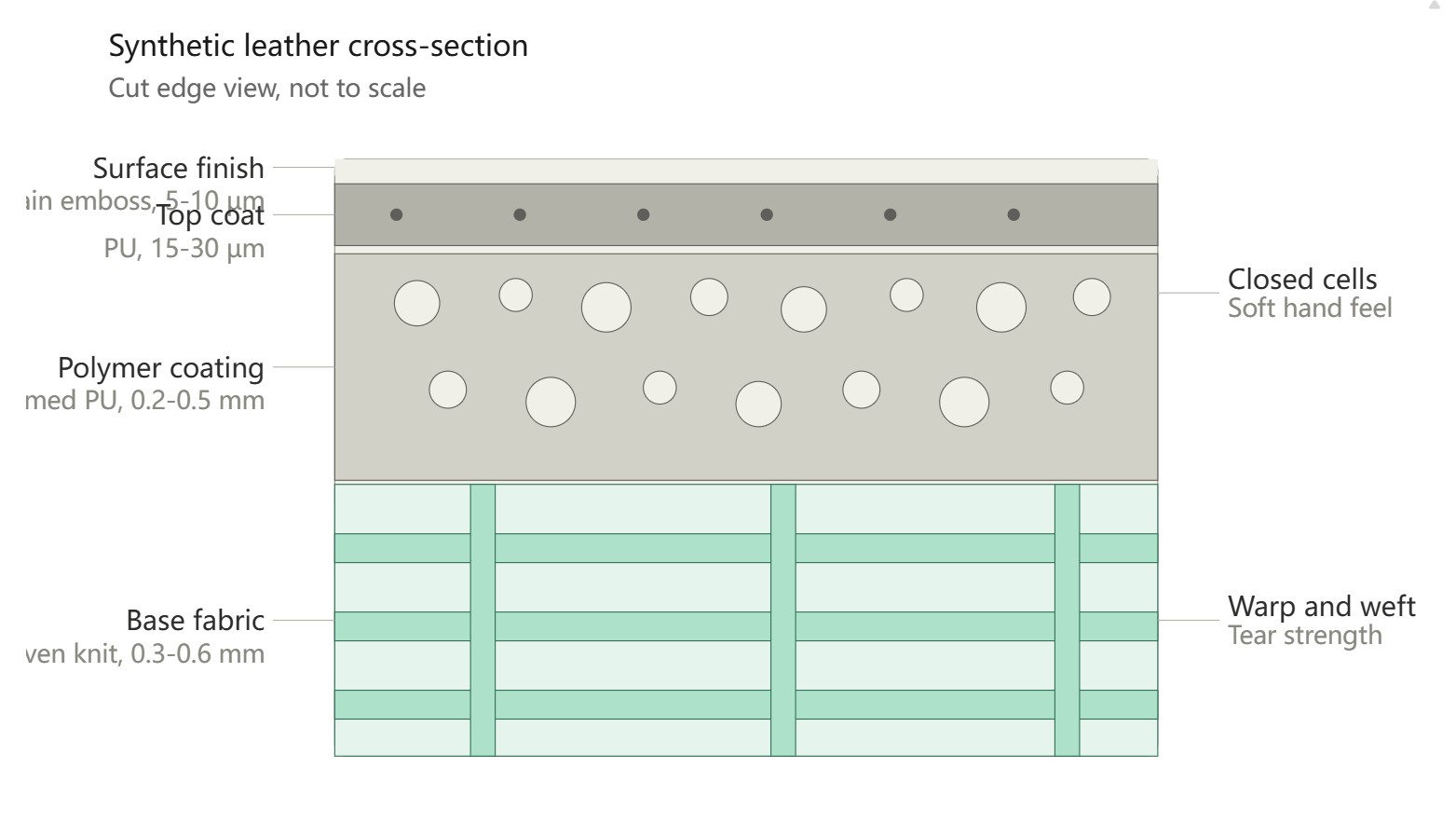
When we say "100% synthetic," we mean the material is entirely engineered in a factory, with no part of an animal hide used. This is an important distinction from materials like "bonded leather," which is made from ground-up leather scraps bonded with polyurethane. Synthetic leather offers consistency and versatility that natural materials cannot. The two most dominant types you will encounter are PU and PVC leather. They might look similar at first glance, but their properties and best uses are quite different. Understanding this difference is the first step in selecting the right material for your product and knowing how to improve it.
The Two Main Types of Synthetic Leather
| Feature | PU (Polyurethane) Leather | PVC (Polyvinyl Chloride) Leather |
|---|---|---|
| Feel & Flexibility | Softer, more flexible, and more like real leather. | Stiffer and has a more plastic-like feel. |
| Breathability | More breathable due to its microporous structure. | Not breathable as it has no pores. |
| Durability | Prone to hydrolysis (moisture damage) but less prone to cracking from flexing. | Very durable against abrasion but can crack in cold or under heavy use. |
| Common Uses | Fashion, upholstery, and high-end accessories where feel is important. | Bags, book covers, and applications needing high durability and water resistance. |
Because of its superior feel and breathability, PU leather is often the preferred choice for products that come in contact with people, like clothing and furniture. However, it has a key weakness we need to address.
What Is Artificial Leather Actually Made Of?
Knowing what's inside artificial leather is crucial for any product designer. Choosing a material without understanding its composition can lead to unexpected failures and a short lifespan for your products.
Artificial leather is made from two primary parts: a base fabric and a polymer coating. The base is typically polyester, cotton, or nylon. The coating is usually polyurethane (PU) or polyvinyl chloride (PVC), which creates the leather-like surface.
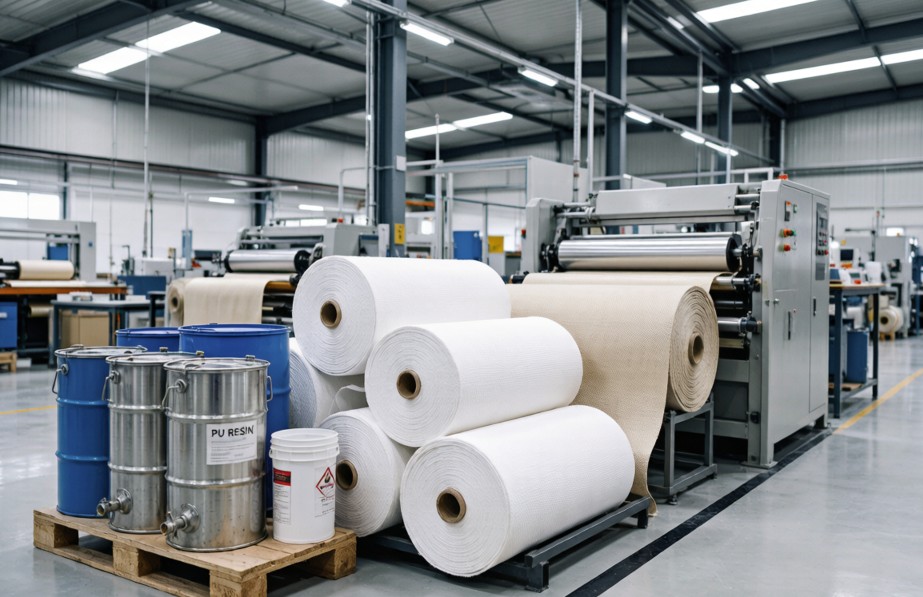
Think of artificial leather as a composite material. Each part plays a specific role in the final product's performance. The combination of these layers determines its strength, flexibility, appearance, and, most importantly, its durability. Let's break down these two main components to see how they work together.
The Base Fabric Layer
The base layer, also called the backing cloth, is the foundation of the material. It provides the structural integrity, tear strength, and stretch resistance. The choice of fabric has a huge impact on the final product. A non-woven polyester base, for example, offers great flexibility and a soft hand-feel, making it ideal for clothing. A woven cotton or nylon base provides higher tensile strength, which might be better for sturdy bags or upholstery that needs to withstand a lot of pulling and stretching.
The Polymer Coating Layer
This is the layer you see and touch. It's what makes the fabric look and feel like leather. For PU leather, this layer is made from polyurethane resin. This resin is a polymer made up of long chains connected by urethane links. For polyester-based PU systems, these chains also contain ester groups, which are unfortunately a weak point. These ester groups are highly susceptible to being attacked and broken down by water molecules in the air. This chemical reaction is called hydrolysis, and it is the root cause of cracking and peeling in PU leather. Understanding this vulnerability is key to preventing it.
What Are the Key Chemical Components in PU Leather?
The visible parts of PU leather are just the start. Hidden chemical components determine its real-world durability. Ignoring them leads to premature aging, cracking, and product failure, damaging your brand's reputation.
The key chemical components are the polyurethane (PU) resin, which forms the surface, and various functional additives. These additives include pigments for color, plasticizers for flexibility, and performance enhancers like anti-hydrolysis agents for durability.
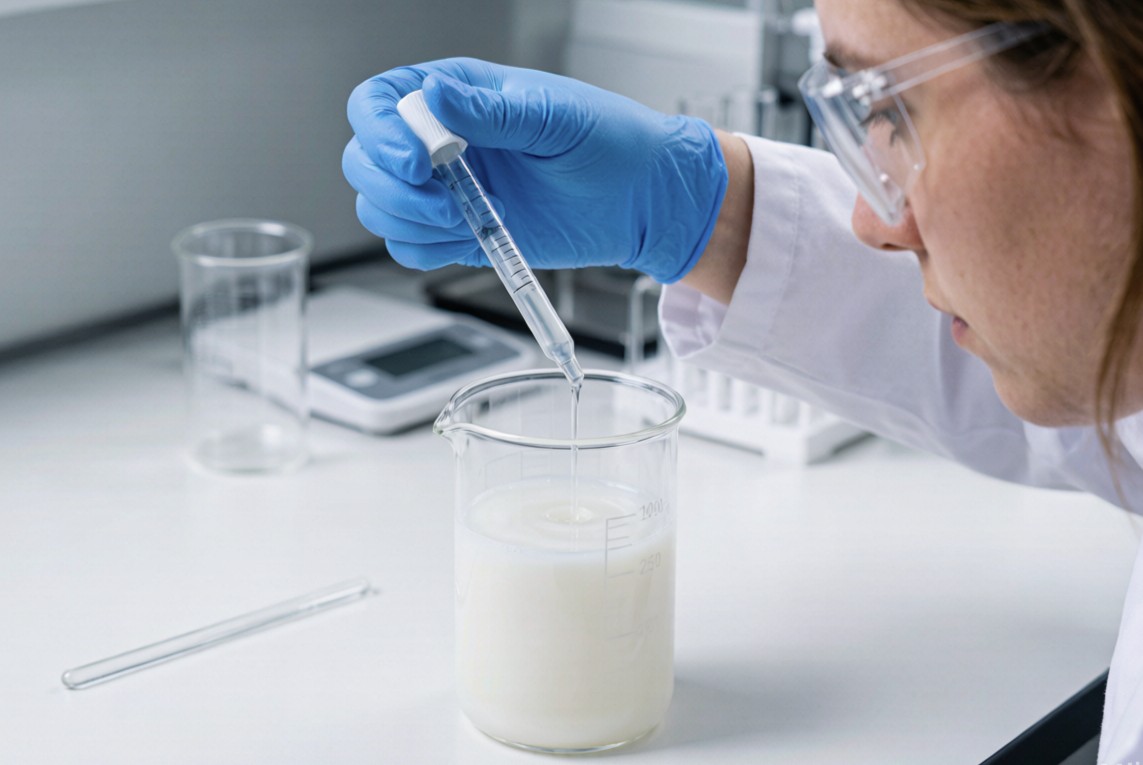
The PU resin itself provides the basic structure, but the additives are what turn it into a high-performance material. At Langyi, we specialize in these functional additives because we know they are the secret to creating products that last. By sharing our expertise, we help our clients build better materials. One of the most critical additives for PU leather is the anti-hydrolysis agent.
The Role of Anti-Hydrolysis Agents
As I mentioned, the ester groups in many PU resins are vulnerable to hydrolysis. Humidity in the air provides the water molecules that attack these chemical bonds, breaking the long polymer chains into shorter, weaker ones. This makes the material brittle, and with a little stress or flexing, it starts to crack. A carbodiimide or polycarbodiimide anti-hydrolysis agent is designed to stop this process. It actively seeks out the broken polymer chains and chemically re-links them, essentially repairing the damage before it can cause visible failure. This creates a more stable, durable polymer network that can withstand moisture for much longer.
| Product | Appearance | Category | Applied Materials | Feature |
|---|---|---|---|---|
| HyMax 220 | Yellowish liquid | Polycarbodiimide | Polyester Polyol, PU | Liquid, resistant to yellowing |
| HyMax 1010 | white powder | monomeric carbodiimide | Polyester Polyol, PU | solid, resistant to yellowing |
Enhancing Surface Performance
Beyond preventing hydrolysis, polycarbodiimides also serve as excellent crosslinkers for the surface finishing agent, or topcoat, of the leather. This finishing agent is a clear layer applied to protect the material from scratches, stains, and abrasion. By adding a polycarbodiimide crosslinking agent, you create strong chemical bonds within this topcoat, making it much harder and more resistant to physical damage. This dual-action approach—improving both the core material's durability and the surface's toughness—is how you create truly premium, long-lasting synthetic leather.
Conclusion
Improving PU leather means understanding its vulnerabilities. Adding a carbodiimide anti-hydrolysis agent is a key strategy to fight moisture damage, significantly extending the material's lifespan and overall performance.