
Hidden ions in EVA films move under heat and moisture. They rust metal parts and cause early power loss. Our team uses an ion scavenger to stop them.
An ion scavenger protects EVA solar encapsulants by catching and holding free ions inside the film. We add it to stop ion movement under heat, moisture, and high voltage. This helps lower metal rust, cut power loss, and keep solar panels safe for a long time.
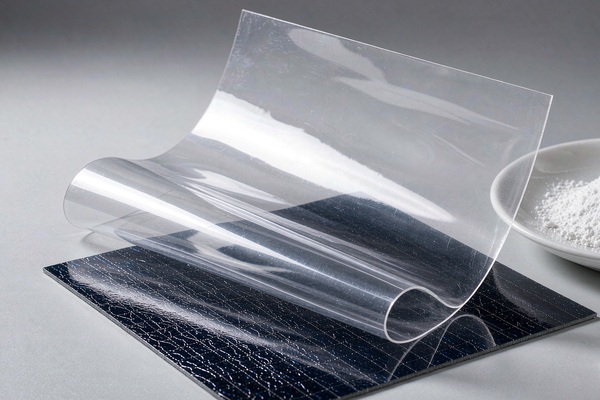
For over 15 years, our team at Langyi has helped material makers solve tough aging issues. Many clients think their EVA film is clean enough. Then their solar panels fail field tests. We want to share what we learned about free ions and how to control them.
Why Do Mobile Ions Cause Problems in EVA Solar Encapsulants?
Tiny ions look harmless in a clear EVA film. Yet heat and water wake them up. Once they move, they slowly damage the solar panel from inside.
Mobile ions like sodium, potassium, and chloride move easily when EVA gets hot and wet. Under high voltage, they carry electric current through the film. This ion movement causes metal rust, weakens film bonding, and triggers potential-induced degradation, which cuts solar panel power output.
Where Do These Unwanted Ions Come From?
Several years ago, a solar film buyer came to our team with a strange problem. Their EVA passed every basic factory check. However, solar panels using their film lost power fast in wet areas. Our technical team checked their full material chain.
We found that free ions sneak in from many places. Raw EVA resin often holds small salt leftovers. Peroxide curing agents and other additives can leave ion waste too. Also, front glass contains sodium ions that enter the EVA when panels get hot. Water from damp air makes these ions move much faster.
| Ion source | Common ion type | How it enters EVA |
|---|---|---|
| Raw EVA resin | Chloride or metal salts | Leftover from resin production |
| Additive package | Ionic residues | Mixed in during film making |
| Front solar glass | Sodium ions | Moves out under heat and voltage |
| Humid air | Water and dissolved ions | Enters through edges over time |
How Do Moving Ions Hurt Solar Panels?
Once water enters a solar panel, free ions act like tiny electric wires. They lower the electrical resistance of the EVA layer. This causes electric current to leak out of the solar cells. Over time, this leak leads to potential-induced degradation, also called PID. See more about what is PID?
Moving ions also attack metal parts inside the module. Chloride and sodium ions speed up rust on silver cell lines and copper ribbons. Rust blocks power flow and creates hot spots. It also breaks the bond between the glass, the EVA film, and the solar cells.
| Panel problem | What ions do | Final impact |
|---|---|---|
| PID power loss | Carry current under high voltage | Fast drop in power output |
| Metal corrosion | Attack ribbons and cell contacts | Higher resistance and broken lines |
| Film peeling | Damage bonding at interfaces | Water enters more easily |
How Does an Ion Scavenger Improve EVA Encapsulant Reliability?
Removing every ion from raw materials costs too much. Yet if you leave ions free inside the EVA film, your solar panels still face high failure risks.
An ion scavenger improves EVA reliability by locking free ions in place inside the polymer. It uses active sites to trap harmful ions through chemical binding or ion exchange. Once trapped, the ions cannot move toward cells or metal parts, which cuts rust and PID risk.
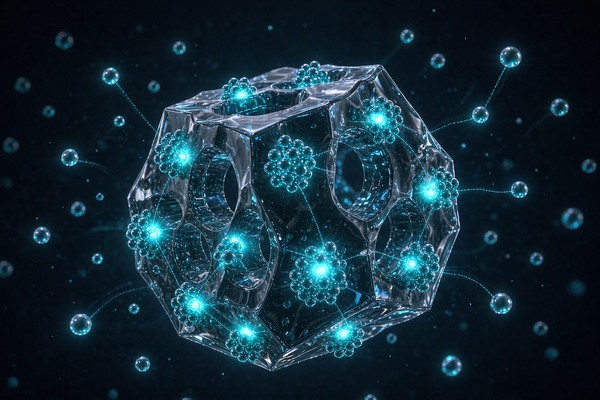
How Does an Ion Scavenger Trap Ions?
We like to compare an ion scavenger to a magnet or a sponge inside the plastic. The additive has special active spots on its surface or inside its structure. When free ions float near it, the scavenger grabs them tightly. Some scavengers trade harmless groups for bad ions. Other types bond with the ions directly.
The scavenger does not pull ions out of the sheet. Instead, it freezes them right where they sit. Because the ions cannot travel to the solar cell or glass surface, they cannot cause electric leaks or metal rust.
A good scavenger must also hold those ions for a very long time. Our team tests if captured ions stay locked after hours of hot and wet aging. If an additive drops the ions under heat, it fails to protect the solar panel.
| Scavenging step | Action inside EVA | Reliability benefit |
|---|---|---|
| Ion capture | Active sites attract free ions | Cuts down mobile ion count |
| Ion locking | Holds ions by binding or exchange | Stops movement under voltage |
| Long-term hold | Keeps ions trapped under heat | Supports long panel life |
What Real Gains Can You See in Modules?
When ions stay locked, EVA keeps high electrical resistance even in wet weather. This gives the solar panel much better protection against PID power loss. Metal ribbons and cell fingers also stay clean and bright for more years.
Just as important, a reliable ion scavenger works quietly. It should not change how the EVA melts, cures, or sticks to glass. We always check that the film stays crystal clear so maximum sunlight reaches the solar cell.
How Should Manufacturers Select and Dose an Ion Scavenger for EVA Encapsulants?
Adding more ion scavenger does not always give better protection. Too much additive can make EVA cloudy, weaken curing, and cause the film to peel off solar glass.
Manufacturers should select an ion scavenger based on target ion types, heat stability, and light clarity. The right dosage depends on total ion content, curing behavior, adhesion, and aging goals. Factories must confirm the final formula through damp-heat, PID, peel-strength, and light-transmittance tests.
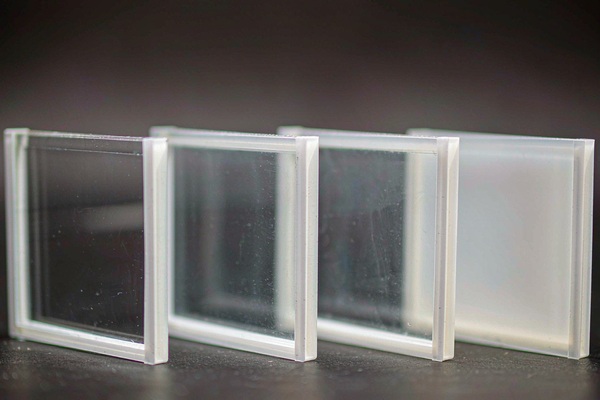
What Factors Matter Most When Choosing a Scavenger?
We always tell our clients to check their ion problem first. Different scavengers target different ions. Some work best on sodium, while others catch chloride better. Next, we check heat stability. EVA film goes through hot melting and hot lamination. The additive must survive these steps without breaking down or turning yellow.
Particle size and mixing matter a lot too. Big clumps scatter sunlight and make the film hazy. That haze blocks light and lowers solar power. The scavenger must spread evenly and keep the film clear.
| Selection factor | Why we check it | Target outcome |
|---|---|---|
| Target ion match | Additives catch different ions | High capture rate for main impurities |
| Heat stability | Film making uses high heat | No yellowing or breakdown |
| Even mixing | Clumps create weak spots | Smooth and clear EVA film |
| Formula fit | Additives can interact | Normal curing and strong bonding |
How Do We Find the Best Dosage and Verify It?
Last year, our team at Langyi helped a film maker set their additive dosage. They wanted to add a high dose right away to beat PID fast. We advised them to start small and test step by step. We ran trials from low to high loading while keeping other ingredients the same.
We found a sweet spot that stopped ion leaks without hurting gel content or glass peel strength. Adding more beyond that point only raised costs and slightly lowered light transmittance.
Before full production, we always run four core tests. Damp-heat testing checks wet aging. PID testing checks high-voltage resistance. Peel-strength tests check glass and backsheet bonding. Light-transmittance tests confirm the film stays clear.
| Test name | What it measures | Pass goal |
|---|---|---|
| Damp-heat test | Resistance to heat and moisture | Stable performance after aging |
| PID test | Power loss under high voltage | Very low power drop |
| Peel-strength test | Adhesion to glass and backsheet | Strong and steady bonding |
| Light-transmittance test | Optical clarity of the film | High light flow to the cell |
Conclusion
We use ion scavengers to lock harmful ions inside EVA films, and we confirm the best dosage with damp-heat, PID, peel-strength, and light-transmittance tests.