
Your paper machine's dryer fabrics are failing too soon, causing expensive, unplanned downtime. This breakdown, known as hydrolysis, cuts directly into your operational efficiency and profitability.
You can dramatically improve dryer fabric hydrolysis resistance by upgrading the base polyester (PET) material. The most effective and simple chemical solution is to incorporate a carbodiimide anti-hydrolysis agent, which actively repairs and protects the fibers from attack by heat and moisture.
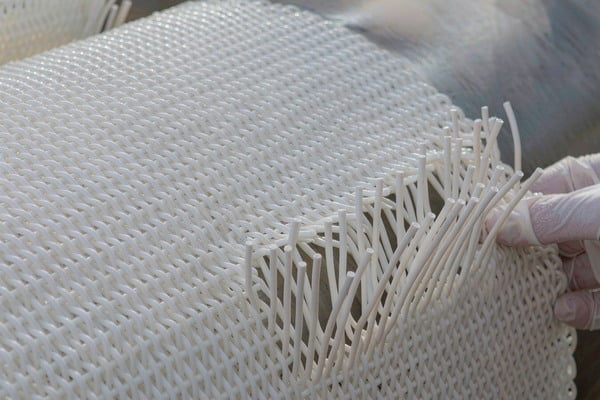
This premature breakdown isn't just random wear and tear; it's a specific chemical attack happening deep within the fabric's fibers. This process weakens the material from the inside out, leading to a sudden loss of strength and eventual failure. To effectively fight it, you first need to understand exactly what causes this costly problem.
What Really Causes Dryer Fabric Hydrolysis?
You know the fabric is failing, but the invisible chemical attack makes it a frustrating problem. This reaction is caused by heat, moisture, and acidity working together to break down the material.
Hydrolysis in dryer fabrics is a chemical reaction where water molecules, accelerated by high heat and acidic conditions, attack and break the ester bonds in the polyester (PET) fibers. This shortens the polymer chains, reducing the fabric's tensile strength until it ultimately fails.
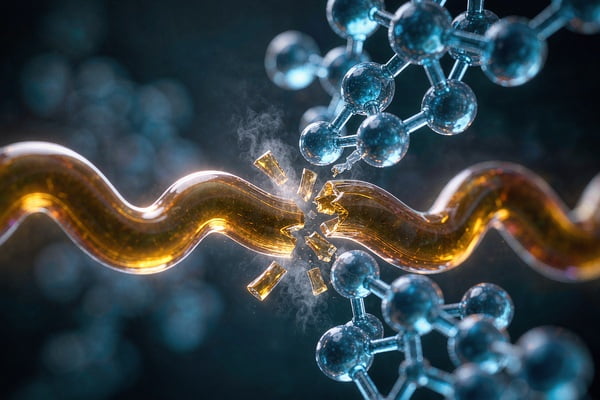
The term "hydrolysis" literally means "breakdown by water," and it's the primary enemy of the polyester (PET) monofilaments used in most dryer fabrics. This isn't just one factor at play; it's a perfect storm created by the operating conditions in the dryer section of a paper machine. Three key factors work together to destroy the fabric.
The Three Key Factors
- High Temperature: The dryer section operates at high temperatures, often between 100°C and 180°C, to evaporate water from the paper sheet. This intense heat acts as an accelerator for the hydrolysis reaction.
- Moisture: The very purpose of the dryer section is to remove water, which means the environment is saturated with steam. This provides the water molecules needed to attack the polyester.
- Acidity (Low pH): Papermaking processes often involve acidic chemicals, such as sizing agents. These can leave residues on the fabric, creating an acidic environment that acts as a catalyst, making the hydrolysis reaction happen much faster.
| Factor | Role in Hydrolysis | Where It Comes From |
|---|---|---|
| High Temperature | Accelerates the chemical reaction rate. | The dryer section itself (100-180°C). |
| Moisture (Water) | The primary chemical agent that attacks the ester bonds. | Steam from the drying paper sheet. |
| Acidity (Low pH) | Acts as a catalyst, making the reaction much faster. | Papermaking additives and impurities. |
What Are the Main Solutions to Stop Dryer Fabric Hydrolysis?
Knowing the cause is one thing, but finding a practical and cost-effective solution is what truly matters. Choosing the wrong approach can be too expensive or simply not effective enough.
The primary solutions are either material-based or chemical-based. You can switch to inherently resistant but costly materials like PPS, or you can chemically enhance standard polyester by adding a carbodiimide anti-hydrolysis agent to protect the fibers.
When faced with premature fabric failure due to hydrolysis, manufacturers have two main paths they can take. Each has its own set of advantages and disadvantages, making the choice dependent on cost and performance requirements.
Solution 1: Material Substitution
The most direct approach is to replace the standard polyester (PET) with a polymer that is naturally more resistant to hydrolysis. Polyphenylene sulfide (PPS) is a common choice. It has excellent chemical and thermal stability. However, this high performance comes at a very high cost, often making it an uneconomical choice for many paper mills. The material can also be more brittle than PET.
Solution 2: Chemical Modification
A more strategic and cost-effective approach is to upgrade the existing PET material. This is done by incorporating a functional additive directly into the PET resin before it is extruded into monofilaments. This additive works to protect the PET from the inside. This is the path we specialize in at Langyi, as it delivers a massive performance improvement for a minimal increase in cost.
| Solution Path | Description | Pros | Cons |
|---|---|---|---|
| Material Substitution | Replace standard PET with a more stable polymer like PPS. | Excellent inherent chemical and thermal resistance. | Very high cost, can be more brittle. |
| Chemical Modification | Add a functional additive (like carbodiimide) to the PET resin. | Cost-effective, maintains PET's good mechanical properties. | Requires precise formulation and quality control. |
How Does a Carbodiimide Additive Actually Work?
The term "chemical additive" can sound vague. You need to know if it's a genuine technical solution or just a buzzword before you can trust its effectiveness in your process.
A carbodiimide anti-hydrolysis agent works by actively seeking out the broken ends of polyester chains (carboxyl groups). It reacts with them, re-linking the chains and stopping the degradation process. This "self-healing" mechanism restores the polymer's integrity and strength.

The function of a carbodiimide additive is remarkably clever and efficient. It acts like a microscopic repair crew that is distributed throughout the polyester fiber, constantly working to undo the damage caused by hydrolysis.
The Repair Mechanism
When a water molecule breaks a polyester chain, it creates two new chain ends: an acidic carboxyl group (-COOH) and an alcohol group (-OH). The carbodiimide molecule is specifically designed to seek out and react with the acidic carboxyl group. This reaction consumes the acid and re-links the polymer, forming a stable, harmless urea-based structure. This process effectively "heals" the damage at a molecular level, preventing the polymer chain from shortening and losing its strength. It's a continuous protective action that extends the fabric's useful life.
Determining the Right Dosage
The amount of carbodiimide additive required is not a one-size-fits-all number. It depends entirely on the performance you need. A fabric that must withstand an aggressive aging test—for example, exposure to steam at 150°C for 48 hours—will require a higher concentration of the additive. For less demanding applications, a lower dosage might be sufficient. The goal is to find the economic sweet spot that meets your specific durability requirements without over-engineering the material.
Conclusion
Hydrolysis degrades polyester dryer fabrics, leading to costly failures. While switching to expensive materials like PPS is an option, adding a carbodiimide stabilizer is a smarter, cost-effective way to protect and repair the fabric for a much longer service life.
More information about PMC and Monofilament
See more about applications in polyester monofilament:
- Technical key points of paper machine dryer screen and tips on its application
- How to improve the chemical stability of polyester monofilament?
- The Importance of Stabilizers and Anti-Hydrolysis Agents in Polyester Monofilament Production Processes
- Application of Anti-hydrolysis Agent in Biobased Polyester Monofilaments
- Additives and Polyester Monofilaments: Compatibility Analysis and Implementation of Hydrolysis Resistant Agents