
Heat and water break down PBT tubes fast. Cracked optical fiber tubes or leaking car lines cause huge repair bills. Our team solves this with an anti-hydrolysis agent.(See what is anti-hydrolysis agent)
An anti-hydrolysis agent protects PBT tubes by catching water and acidic end groups before they cut the polymer chains. Adding a polymeric carbodiimide stops self-feeding chemical decay during extrusion and field use, so the tubes stay tough, flexible, and crack-free under heat and dampness.
For over 15 years, our team at Langyi has helped plastic makers fix tough aging problems. Many engineers trust standard PBT resin because it starts out strong and stiff. Then damp field conditions turn those clean tubes brittle and useless. We want to share what we learned about PBT hydrolysis and how to stop it.
Why Is Hydrolysis a Major Threat to PBT Tubes?
Standard PBT tubes look strong right after extrusion. Yet warm air and water slowly attack them from inside. Soon, thin walls crack and lose their strength.
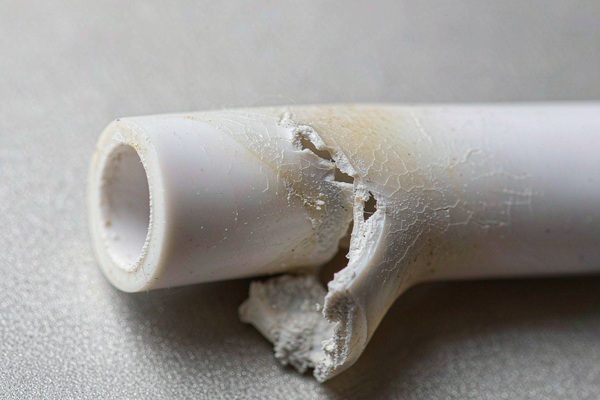
Hydrolysis is a major threat because water splits the ester bonds inside PBT resin under heat. Each cut creates new acidic carboxyl end groups that speed up further damage. This chain reaction drops molecular weight, causing optical fiber loose tubes and car lines to turn brittle and crack early.
How Does Water Break Down PBT Chains?
A few years ago, a client making optical fiber loose tubes came to our team with a strange issue. Their tubes passed every room-temperature check at the factory. However, after sitting in hot, wet test boxes, the thin tubes snapped when workers bent them. Our technical team studied those broken samples.
PBT is a polyester plastic, so it has ester bonds along its main chains. When water enters the plastic at high heat, water molecules cut those ester bonds apart. Worse still, each cut leaves behind an acidic carboxyl end group. That acid group makes the next water attack happen even faster. Engineers call this autocatalytic hydrolysis because the decay feeds itself.
| Decay step | What happens in PBT | Effect on the polymer |
|---|---|---|
| Moisture entry | Water enters the tube wall | Reaches ester bonds under heat |
| Ester bond split | Water cuts the polymer chain | Drops molecular weight fast |
| Acid build-up | Cut ends form carboxyl acids | Speeds up self-feeding decay |
Where Do PBT Tubes Fail Most Often?
Thin-walled tubes face the biggest danger from damp heat. Optical fiber loose tubes guard thin glass fibers underground or on poles for twenty years or more. Automotive fluid lines face hot engine air, coolants, and wet roads. Industrial tubing carries air or liquids in damp workshops.
Once PBT chains grow too short, the plastic loses its stretch and impact strength. The tube turns stiff like dry glass and cracks under small shakes or bends.
| PBT tube application | Main field stress | Common failure result |
|---|---|---|
| Optical fiber loose tubes | Underground water and warm soil | Tube cracks and leaves fibers exposed |
| Automotive fluid lines | Engine heat and wet road splash | Brittleness and sudden fluid leaks |
| Industrial tubing | Warm plant air and pressure pulses | Early wall splitting at bends |
How Does an Anti-Hydrolysis Agent Protect PBT Tubes from Degradation?
Drying PBT pellets before extrusion helps for a short time. Yet moisture always comes back during service. Without chemical protection, your tubes remain open to slow decay.
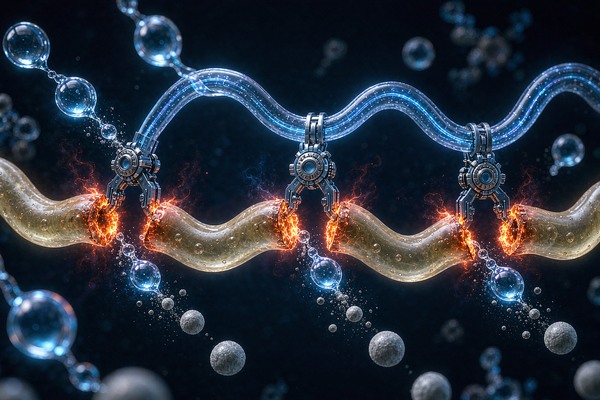
An anti-hydrolysis agent protects PBT tubes by reacting with moisture and carboxyl end groups to block chain cutting. A polymeric carbodiimide acts like a chemical shield inside the plastic. It closes off acidic ends, slows down water damage, and stays inside the tube wall without bleeding out.
How Does a Carbodiimide Stop Acid Attack?
We often compare a carbodiimide to a fast cleanup crew inside the melted plastic. During tube extrusion, the carbodiimide groups quickly grab free water and acidic carboxyl end groups. They turn those harmful acids into neutral, stable urea groups.
Because those acid ends are sealed off, they can no longer push hydrolysis forward. The self-feeding decay stops. In addition, this reaction can link some cut ends back together, which helps hold melt strength steady during tube extrusion.
| Target inside PBT | What carbodiimide does | Benefit for the tube |
|---|---|---|
| Free moisture | Reacts with trace water | Removes water before it cuts chains |
| Carboxyl end groups | Turns acids into neutral groups | Stops autocatalytic hydrolysis |
| Broken polymer ends | Bridges some short chains | Keeps melt strength steady in extrusion |
Monomeric or Polymeric: How Should You Balance Performance and Cost?
Engineers must weigh both performance needs and budget limits before picking a carbodiimide type. Monomeric carbodiimides cost less and react very fast with acid groups. For simple industrial tubes with mild heat and short life targets, a monomeric type helps save money. However, small monomeric molecules can evaporate at high extrusion heat and slowly move to the tube surface. On the other hand, polymeric carbodiimides have a higher price, yet they give better long-term value for tough jobs. Because these additives have long, heavy chains, they stay locked inside the PBT wall without smoking or bleeding out. For optical fiber loose tubes and automotive fluid lines, polymeric types help factories hit strict life targets and keep thin walls smooth.
| Additive type | Cost level | Heat and migration behavior | Best tube fit |
|---|---|---|---|
| Monomeric carbodiimide | Lower unit price | Can evaporate at high heat and bleed out | Cost-sensitive tubes with mild heat |
| Polymeric carbodiimide | Higher unit price | Low smoke and stays locked inside PBT | Long-life optical and auto tubes |
How Should Manufacturers Select and Dose Anti-Hydrolysis Agents for PBT Tubes?
Adding a random amount of additive wastes money and hurts extrusion. Too little fails to stop cracks, while too much can make tube surfaces rough or sticky.
Manufacturers should choose a polymeric carbodiimide that matches PBT processing heat and stays non-migrating. The right dosage depends on resin carboxyl value, tube wall thickness, extrusion temperature, and service life goals. Factories must confirm the formula with damp-heat aging, pressure cooker tests, elongation retention, and melt flow checks.
What Factors Decide the Best Dosage?
Last year, our team at Langyi helped an auto tubing maker double their tube service life. They asked if they could use one fixed dose for all their tubes. We showed them why they needed to check four details first.
First, factories must check the starting carboxyl value of the PBT resin. Lower-cost or recycled resins carry more acid ends, so they need a higher dose. Second, engineers must check wall thickness, because thin loose tubes soak up water through the whole wall faster than thick pipes. Third, we look at extrusion heat, since higher heat makes extra acid ends. Fourth, we match the loading to the real service life target of the tube.
| Selection factor | Why it matters | How it guides dosage |
|---|---|---|
| Initial carboxyl value | Measures starting acid ends in resin | High acid value needs higher loading |
| Tube wall thickness | Thin walls saturate with water fast | Thinner walls often need stronger defense |
| Processing temperature | Excess heat breaks down polyester | Hotter extrusion requires extra protection |
| Service life target | Outdoor and auto lines last many years | Longer life goals require higher reserve |
Which Tests Confirm Tube Performance?
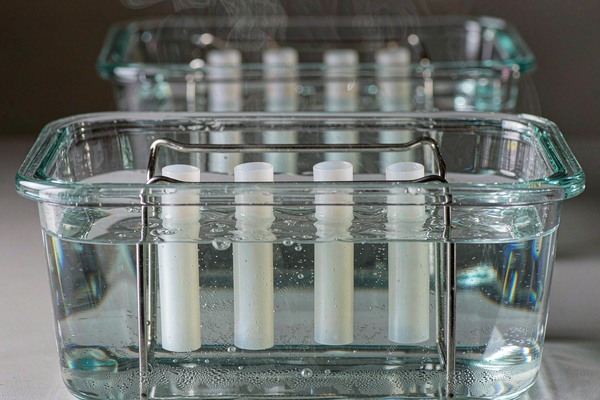
Before starting full production, our team always runs four key checks. Damp-heat aging puts tubes in hot, wet air to copy years of field use. The pressure cooker test (PCT) uses hot steam under pressure to test hydrolysis resistance in just days.
After aging, factories should measure tensile elongation retention. If a tube still stretches well, its polymer chains are safe. Finally, we check melt flow rate or intrinsic viscosity (IV) before and after extrusion. Steady IV or melt flow proves the additive protected the PBT chains during processing.
| Test method | What it checks | Target pass result |
|---|---|---|
| Damp-heat aging | Long-term hold in hot, damp air | Tube stays flexible without cracks |
| Pressure cooker test (PCT) | Fast aging under hot steam | High strength left after steam exposure |
| Tensile elongation retention | How much stretch remains after aging | Small drop from original stretch |
| Melt flow or IV check | Polymer chain length stability | Little change before and after extrusion |
Conclusion
We use different carbodiimide anti-hydrolysis agents to stop chain cutting in different PBT tubes, and we verify the best dosage through PCT, damp-heat, elongation, and viscosity tests.