
Are you experiencing premature failure of your polyurethane products, especially in humid or wet environments? The versatility of polyurethane is great, but its Achilles' heel can lead to costly breakdowns.
Anti-hydrolysis agents are crucial for extending the service life of polyurethane systems, particularly those based on polyester polyols, by protecting the ester linkages from degradation caused by moisture and heat, thereby maintaining material integrity and performance in challenging applications.
Having been with Langyi for long time, we've seen firsthand the incredible range of applications for polyurethane. From comfortable foams to durable coatings, it’s everywhere. However, We’ve also witnessed its vulnerabilities, especially to water. Our mission at Langyi is to provide solutions, and protecting polyurethane from hydrolysis is one area where our functional additives shine.
What is a polyurethane system?
Do you find yourself wondering what exactly a "polyurethane system" entails? It's a fundamental material in modern manufacturing, but its composition can seem a bit mysterious.
A polyurethane system refers to a versatile polymer material formed by the reaction of an isocyanate with a polyol, creating urethane linkages, which can be tailored into a wide array of products ranging from flexible foams to rigid plastics and durable coatings by adjusting the types and ratios of its constituent components.
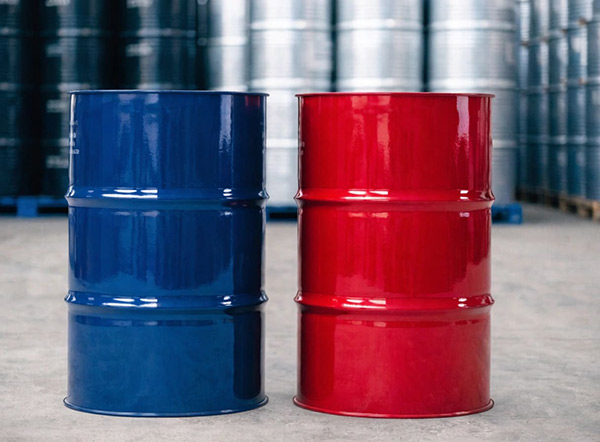
From my perspective at Langyi, the beauty of polyurethane lies in its customizability. Dr. Tang explained that it's essentially a chemistry set where you can mix different ingredients to get vastly different outcomes. Think of it like baking: the basic ingredients are flour and water, but you can make bread, cake, or pastries depending on what else you add and how you process it. For polyurethane, the main "ingredients" are di- or poly-isocyanates and polyols. The way these chemicals link together—forming those crucial urethane bonds—is what gives polyurethane its incredible versatility.
The Building Blocks of Polyurethane: Ingredients and Reaction
So, what are the core components that come together to form this incredibly versatile material, and how does the magic happen? It's a carefully controlled chemical reaction.
| Component | Description | Role in Polyurethane System |
|---|---|---|
| Isocyanate | A compound containing at least two isocyanate (-NCO) functional groups. Common types include MDI and TDI. | Reacts with hydroxyl groups of polyols to form urethane linkages, forming the polymer backbone. |
| Polyol | A compound containing at least two hydroxyl (-OH) functional groups. Can be polyether or polyester based. | Provides flexibility, elasticity, and determines many physical properties of the final product. |
| Catalysts | Substances that speed up the reaction between isocyanate and polyol without being consumed. | Control the reaction rate, gel time, and cure time, essential for processing. |
| Additives | Various chemicals added in small amounts to enhance specific properties or aid processing. | Improve properties like fire resistance, UV stability, cell structure, or hydrolysis resistance. |
| Blowing Agents | Chemicals that produce gas (e.g., CO2 from water reaction) to create cellular structures. | Used for making foams, controlling density and insulation properties. |
When Dr. Tang founded Langyi, his vision was to refine these additives to enhance material performance. The core reaction in polyurethane creation is fairly straightforward: the isocyanate's -NCO group reacts with the polyol's -OH group to form a urethane bond. This reaction can be controlled and modified to produce everything from a soft, flexible foam for furniture cushions to a hard, rigid plastic for car parts, or a tough coating for industrial floors. The choice of polyol, in particular, is critical, as it largely dictates the final properties of the polyurethane, including its susceptibility to environmental factors. Understanding these basic building blocks is the first step in understanding how to improve the material.
What are the two types of polyurethane? and different applications
Given its versatility, are there distinct categories of polyurethane, and how do these categories influence their application in various industries?
Polyurethane is broadly categorized into two main types based on the chemical structure of their polyol component: polyether polyurethanes and polyester polyurethanes, each offering distinct properties that make them suitable for a wide array of different applications.
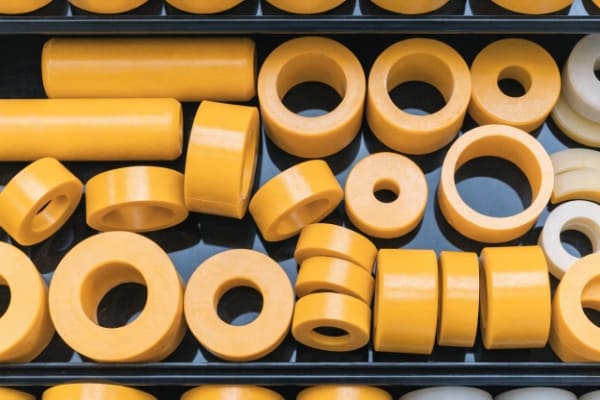
At Langyi, we often talk about tailoring solutions. This distinction between polyether and polyester polyurethanes is a prime example of how molecular structure dictates performance. When I started, I learned that while both are polyurethanes, their subtle chemical differences lead to significant practical variations, much like two different types of wood might look similar but perform differently under stress.
Polyether vs. Polyester Polyurethanes: A Tale of Two Structures
So, what are the specific characteristics that differentiate polyether from polyester polyurethanes, and where do these differences lead them in terms of practical applications?
| Feature | Polyether Polyurethane | Polyester Polyurethane |
|---|---|---|
| Polyol Structure | Contains ether linkages (-O-C-C-) in its backbone. | Contains ester linkages (-COO-) in its backbone. |
| Hydrolysis Resistance | Excellent, very resistant to water and hydrolysis. | Poor, highly susceptible to hydrolysis in the presence of moisture and heat. |
| Fungal Resistance | Generally good. | Can be susceptible to fungal attack. |
| Abrasion Resistance | Good to very good. | Excellent, often superior to polyether types. |
| Tensile Strength | Good. | Very good to excellent, often higher than polyether types. |
| Oil/Solvent Resistance | Fair to good. | Excellent, better resistance to many oils and solvents. |
| Common Applications | Flexible foams (furniture, bedding), automotive parts, medical devices, sealants, adhesives. | Footwear (soles), roller skate wheels, conveyor belts, cables, coatings, synthetic leather. |
From my experience, the choice between these two types of polyurethanes is driven by the specific demands of the end application. If a product needs to operate in a wet or humid environment, like a medical device or outdoor footwear, polyether polyurethanes are often the default choice due to their inherent hydrolysis resistance. However, if high tensile strength, excellent abrasion resistance, and good oil resistance are paramount, such as in industrial rollers or premium synthetic leathers, polyester polyurethanes are preferred. This is where the challenge arises, and where Langyi's expertise becomes invaluable: how do you get the superior mechanical properties of polyester polyurethane without its Achilles' heel—its poor hydrolysis resistance? This leads us directly to the role of specialized additives.
What is the weakness of polyurethane? How to avoid it?
Despite its many strengths, what is the major vulnerability of polyurethane, and more importantly, what steps can be taken to protect this versatile material?
The primary weakness of polyurethane, especially polyester-based types, is its susceptibility to hydrolysis, a chemical degradation process where water molecules break down the polymer's ester linkages, leading to a loss of mechanical properties; this can be effectively avoided or minimized by incorporating anti-hydrolysis agents during manufacturing.
At Langyi, we often describe material weaknesses as opportunities for innovation. When we started the company, addressing challenges like polyurethane degradation was central to our mission. Imagine a strong material slowly losing its strength from the inside out, simply because of moisture in the air – that's hydrolysis at work. It's a silent killer for many polyurethane products, particularly those made with polyester polyols, in warm and humid conditions.
Battling Hydrolysis: The Silent Destroyer and Its Countermeasures
So, how does hydrolysis attack polyurethane, and what specifically can we do to defend against this pervasive form of degradation? It's about understanding the chemistry and applying targeted solutions.
| Aspect | Description | Impact on Polyurethane | Prevention Strategy |
|---|---|---|---|
| Hydrolysis Mechanism | Water molecules attack the ester linkages in the polyurethane backbone, breaking them apart. This process is accelerated by heat and acid. | Leads to a reduction in molecular weight, resulting in loss of tensile strength, elasticity, and hardness. | Anti-hydrolysis agents (e.g., carbodiimides) scavenge water or react with carboxylic acids, protecting ester bonds.See more about Anti-hydrolysis agents in PU/TPU |
| Environmental Factors | High humidity, elevated temperatures, exposure to acidic or alkaline conditions. | Speeds up the degradation process, causing premature product failure. | Environmental control (storage/use in dry conditions), material selection (polyether PUs for wet environments). |
| Fungal Degradation | Some fungi can produce enzymes that specifically break down ester linkages. | Contributes to material breakdown and aesthetic deterioration. | Antifungal additives, anti-hydrolysis agents (as they also reduce substrate for fungi). |
| Oxidation | Reaction with oxygen, often accelerated by UV light or heat, breaking down polymer chains. | Leads to discoloration, embrittlement, and loss of mechanical properties. | Antioxidants and UV stabilizers protect against oxidative and photo-degradation. |
| Plasticizer Migration | In some flexible polyurethanes, plasticizers can leach out, making the material brittle. | Loss of flexibility, cracking, and surface stickiness. | Non-migratory plasticizers or internal plasticization. |
My personal insight, honed over years at Langyi, is that while general good practices like proper storage and avoiding extreme conditions help, the most effective defense against hydrolysis in polyester-based polyurethanes is a chemical one. This is precisely where our expertise in functional additives comes in. Carbodiimide anti-hydrolysis agents, for example, are incredibly effective. They don't just sit there; they actively scavenge water and neutralize the carboxylic acid byproducts of hydrolysis, preventing the chain reaction of degradation. It's like having a dedicated defense system built into the material itself. This proactive approach ensures that even polyester polyurethanes, chosen for their superior mechanical properties, can withstand challenging environments, significantly extending their service life and reliability.
Conclusion
Polyurethane is incredibly versatile, but polyester types are vulnerable to hydrolysis, particularly in humid, hot conditions. Incorporating anti-hydrolysis agents, like those we develop at Langyi, is crucial for protecting these materials, enhancing their water resistance, and ensuring their long-term performance.
<!--[googlesitekit-end-of-content]-->