
Are you working with PLA materials and finding that they degrade prematurely, especially in challenging environments? Its biodegradability is a strength, but controlling that degradation is a critical challenge.
Yes, Polylactic Acid (PLA) can undergo hydrolysis, a chemical reaction with water that breaks down its polymer chains, making effective hydrolysis prevention crucial for extending the lifespan of PLA products, particularly those used in high humidity and high-temperature environments, where anti-hydrolysis agents like carbodiimides can significantly control degradation rates.
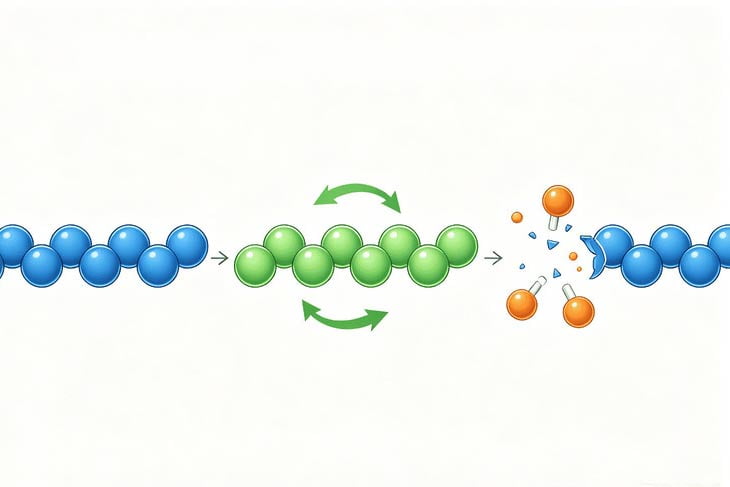
In my years at Langyi, I've seen firsthand the excitement around biodegradable materials like PLA. It's fantastic for sustainability! However, the very property that makes it biodegradable – its susceptibility to hydrolysis – can become a major headache if not properly managed. Our mission at Langyi is to provide solutions, and helping to control the degradation of PLA in real-world applications is a key area where our expertise in functional additives comes into play.
Can PLA undergo hydrolysis?
Is it true that Polylactic Acid, a material often lauded for its biodegradability, is actually susceptible to degradation by water? Many assume its plastic-like nature makes it impervious.
Yes, Polylactic Acid (PLA) is inherently susceptible to hydrolysis, a chemical degradation process where water molecules react with and break down its ester linkages, leading to a reduction in molecular weight and subsequent loss of mechanical properties, with the rate of degradation being significantly influenced by temperature, pH, and the presence of moisture.
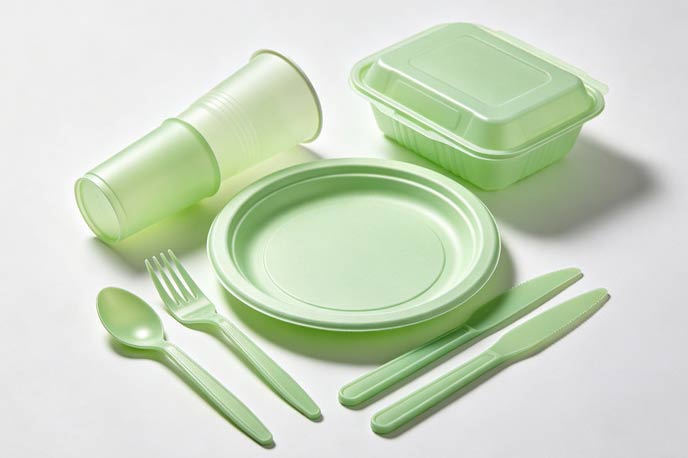
When I first learned about PLA, its biodegradability was always highlighted as its defining feature. But as Dr. Tang taught, "biodegradable" doesn't mean it instantly vanishes. It means it breaks down under certain conditions, and hydrolysis is a primary pathway for that breakdown. It's a critical point for manufacturers because if your PLA product is designed for a long shelf life or use in a damp environment, uncontrolled hydrolysis can be a serious problem. It means your product might not last as long as intended, leading to performance issues or customer dissatisfaction.
PLA's Inherent Susceptibility: A Double-Edged Sword
So, what exactly makes PLA vulnerable to hydrolysis, and how does this inherent susceptibility impact its practical applications and potential lifespan?
| Characteristic | Description | Impact on Hydrolysis |
|---|---|---|
| Ester Linkages | PLA is a polyester, meaning its polymer chains are connected by ester bonds (-COO-). | Ester bonds are inherently susceptible to nucleophilic attack by water molecules. |
| Hydrophilic Nature | While often perceived as hydrophobic, PLA can absorb a small amount of water. | Absorbed water provides the medium for the hydrolytic reaction to occur within the bulk material. |
| Amorphous Regions | Even semi-crystalline PLA contains amorphous (disordered) regions. | These regions are more permeable to water and offer easier access for water molecules to the ester bonds. |
| Glass Transition Temperature (Tg) | PLA's Tg is relatively low (around 60°C). | Above Tg, molecular mobility increases, facilitating water diffusion and reaction rate. |
| Crystallinity | Higher crystallinity generally slows down hydrolysis by reducing water penetration and increasing bond density. | Lower crystallinity (or amorphous PLA) degrades faster due to easier water access. |
From my perspective, the biodegradability of PLA is its strength, but its hydrolytic susceptibility is a challenge that needs precise management. It's like having a controlled burn: you want it to happen, but only when and where you intend it. For PLA, this means if you're making a single-use compostable coffee cup, rapid hydrolysis is good. But if you're making a durable medical implant or an automotive part from PLA, you need to significantly slow down that process. Understanding these inherent characteristics allows us to develop targeted additive solutions to control the degradation rate, tailoring the PLA's lifespan to its specific application.
PLA hydrolysis mechanism
Since PLA can undergo hydrolysis, what exactly are the chemical steps involved in this process, and how does water systematically break down the PLA polymer chains? It's a precise molecular attack.
The hydrolysis mechanism of PLA primarily involves the nucleophilic attack of water molecules on the carbonyl carbon of the ester linkages within the polymer chain, leading to the cleavage of the ester bond and the formation of a carboxylic acid and a hydroxyl group, effectively breaking the long polymer chain into shorter oligomers and monomers, a process accelerated by acid or base catalysis and elevated temperatures.
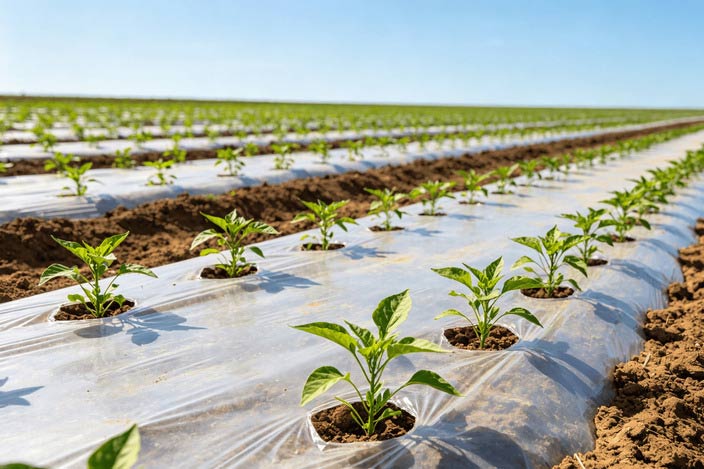
When Dr. Tang explained this, it became clear why simple moisture can be so damaging over time. It's not just a physical weakening; it's a chemical dismantling from the inside out. Imagine a long chain of beads, where each bead is linked by a tiny, specific connection. Water comes along and systematically snips these connections. Once one connection is broken, it weakens the whole chain, and further breakdown becomes easier.
The Chemical Dissection: Step-by-Step Breakdown
Let's dive deeper into the molecular dance of PLA hydrolysis, tracing the path of water as it systematically dismantles the polymer.
| Step | Description | Molecular Outcome |
|---|---|---|
| 1. Water Diffusion | Water molecules penetrate the PLA matrix, especially into amorphous regions, and access the ester linkages. | Increased water concentration near reactive sites. |
| 2. Nucleophilic Attack | The oxygen atom of a water molecule, acting as a nucleophile, attacks the electrophilic carbonyl carbon of a PLA ester bond. | Formation of a tetrahedral intermediate. |
| 3. Bond Cleavage | The tetrahedral intermediate collapses, leading to the scission of the C-O bond within the ester linkage. | One polymer chain segment gains a carboxylic acid end (-COOH), the other gains a hydroxyl end (-OH). |
| 4. Autocatalysis (Acidic) | The newly formed carboxylic acid groups can then act as catalysts, further accelerating the hydrolysis of neighboring ester bonds. | Exponential increase in degradation rate as more acidic groups are generated. |
| 5. Oligomer/Monomer Formation | Repeated bond cleavages reduce the polymer's molecular weight, creating shorter chains (oligomers) and eventually lactic acid monomers. | Loss of mechanical strength, embrittlement, and eventual disintegration of the material. |
| 6. Biotic Degradation | Once molecular weight is sufficiently reduced, microorganisms can more easily consume the smaller fragments. | Complete biodegradation of the material in suitable environments (e.g., compost). |
From my time supporting Dr. Tang’s research, I learned that understanding this detailed mechanism is key to effective prevention. The autocatalysis step (point 4) is particularly insidious. It means that once hydrolysis starts, it often speeds itself up. This is why a PLA product might seem fine for a while, and then suddenly degrade very rapidly. This detailed understanding allows us to strategically introduce additives that can interrupt these key steps, especially by neutralizing those self-catalyzing acid groups. This is precisely how our anti-hydrolysis agents, like carbodiimides, work to stabilize PLA.
PLA hydrolysis prevention ways
Given PLA's susceptibility to hydrolysis, what are the most effective strategies and material science innovations that can be employed to prevent or significantly slow down its degradation?
Preventing PLA hydrolysis involves multiple strategies, with the most effective being the incorporation of anti-hydrolysis agents (such as carbodiimides) to scavenge water and neutralize acidic byproducts, alongside optimizing polymer properties like crystallinity, reducing residual monomers, and implementing proper packaging and storage to minimize moisture and heat exposure.
 At Langyi, we believe in a multi-pronged approach to material challenges. There's no single magic bullet for PLA hydrolysis, but combining several strategies offers the best protection. When we work with clients, we always stress that it's about understanding the specific application and then tailoring the prevention methods accordingly. It’s not just about adding something to the material; it's about intelligent material design.
Comprehensive Strategies: Protecting PLA from Degradation
So, beyond just one solution, what is the full spectrum of methods available to manufacturers and users to ensure the longevity and stability of PLA products?
| Prevention Strategy | Description | Mechanism of Action | Effectiveness |
|---|---|---|---|
| Anti-hydrolysis Agents (e.g., Carbodiimides) | Chemical additives incorporated into the PLA during processing. | React with water and/or carboxylic acid end groups (hydrolysis byproducts), preventing autocatalysis. | Highly effective for significant extension of lifespan in challenging environments. |
| Increased Crystallinity | Modifying processing conditions (e.g., annealing) or using nucleating agents to promote higher crystalline content in PLA. | Denser structure impedes water penetration, making ester bonds less accessible. | Good, can slow hydrolysis, but might affect flexibility/transparency. |
| Reduction of Residual Monomers | Thorough purification of PLA polymer to remove unreacted lactic acid or lactide. | Residual acids can act as catalysts, accelerating hydrolysis. | Important baseline step, contributes to overall stability. |
| Surface Coatings/Barriers | Applying a hydrophobic coating or barrier layer to the PLA product. | Physically prevents water contact with the PLA surface. | Effective for external protection, but internal moisture can still cause issues. |
| Blending with Hydrophobic Polymers | Compounding PLA with other polymers that are more resistant to water. | Reduces overall water absorption and creates a less permeable matrix. | Can improve resistance, but careful selection of blend components is needed. |
| Controlled Storage & Packaging | Storing PLA products in sealed, dehumidified packaging and cool, dry environments. | Minimizes exposure to the primary degradation accelerators (water and heat). | Essential for maintaining initial material integrity, but not a permanent solution. |
From my work at Langyi, I've found that the most impactful method, especially for PLA applications exposed to significant moisture or heat, is the use of anti-hydrolysis agents. While increasing crystallinity or better packaging definitely helps, these are often supplementary to the chemical protection provided by additives. Our carbodiimide-based anti-hydrolysis agents act as sacrificial compounds, essentially "taking the hit" from water and acidic byproducts so the main PLA polymer chain remains intact. This direct chemical intervention is far more robust than simply trying to keep water away, especially in long-term applications. It allows the beneficial properties of PLA to be harnessed for a much wider range of products, pushing the boundaries of where biodegradable materials can be used effectively and reliably.
Conclusion
PLA, though celebrated for its biodegradability, is susceptible to hydrolysis, which can lead to premature degradation. Implementing effective prevention strategies, particularly by incorporating anti-hydrolysis agents, is crucial for controlling its degradation rate and ensuring the desired lifespan and performance of PLA products.