Are you seeking to enhance the durability and performance of your water-based coatings while adhering to stricter environmental standards? Unlocking the potential of water-based blocked isocyanate crosslinkers might be your next step.
Water-based blocked isocyanate crosslinkers are latent hardeners crucial for stable one-component (1K) coating systems, offering superior crosslinking performance upon thermal activation, and are particularly valuable in demanding applications like non-fluorine water-repellent coatings, providing a safer, high-performance alternative to conventional hazardous crosslinkers.
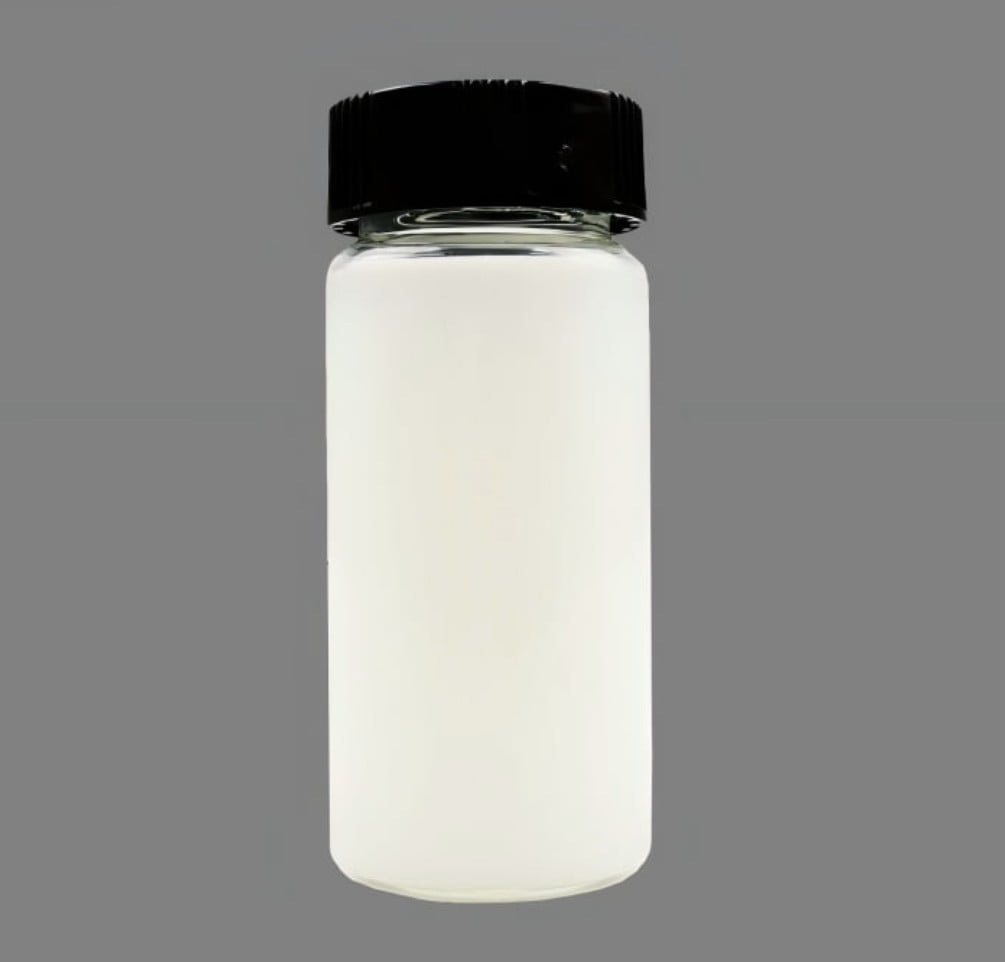
For over 15 years at Langyi, working alongside our founder Dr. Tang, I've witnessed the constant drive to innovate in material science. The development of blocked isocyanates, especially for water-based systems, perfectly embodies our mission: to provide professional, high-performance functional additives that help improve materials and offer sustainable solutions. It’s exciting to see how these specialized crosslinkers enable breakthroughs, particularly in areas like replacing harmful fluorinated products, which directly aligns with our commitment to environmental responsibility.
What is a blocked isocyanate crosslinker?
Have you ever wondered how a high-performance coating can come in a single can, ready to use, yet deliver incredible durability and chemical resistance after curing? The answer often lies in the clever chemistry of a "blocked isocyanate crosslinker."
A blocked isocyanate crosslinker is a chemical compound where the highly reactive isocyanate (-NCO) groups are reversibly chemically bonded to a "blocking agent," rendering them inert at ambient temperatures, thereby allowing for the formulation of stable one-component (1K) water-based systems that only undergo crosslinking when sufficient heat is applied to release the active isocyanate groups.
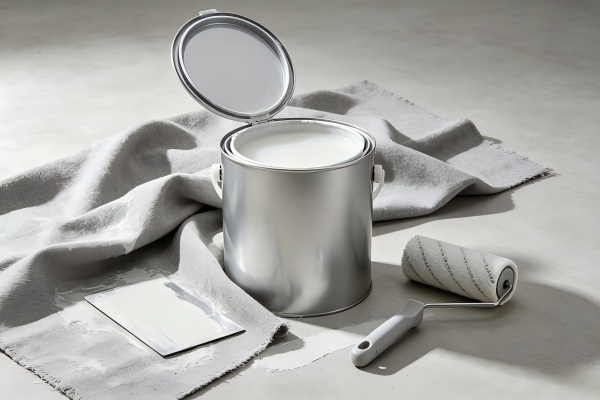
I remember Dr. Tang explaining this concept to me early in my career at Langyi. It was fascinating how you could take something so reactive, like a free isocyanate, and temporarily "tame" it. This innovation was a game-changer for water-based coatings because it solved a fundamental problem: how to get the powerful crosslinking benefits of isocyanates without their rapid, uncontrolled reaction with water or other coating components. It effectively gives a coating a long pot life, meaning it won't cure in the can, but then allows it to form a tough film when processed correctly.
The Ingenious Design: Components and Their Roles in Blocking
So, what are the essential building blocks of a blocked isocyanate, and how does each component contribute to its unique ability to provide latent crosslinking?
| Component | Description | Critical Role in Blocked Isocyanate |
|---|---|---|
| Isocyanate Component | Typically a polyisocyanate or prepolymer containing multiple reactive isocyanate (-NCO) groups (e.g., HDI, IPDI, TDI derivatives). | Provides the fundamental crosslinking functionality; without it, no network can form. |
| Blocking Agent | A compound with an active hydrogen that forms a reversible bond with the isocyanate group (e.g., oximes, pyrazoles, caprolactam, alcohols, amines). | Key to latency. It caps the -NCO groups, preventing premature reaction and enabling 1K stability. |
| Blocked Isocyanate Adduct | The stable, unreactive compound formed when the isocyanate component and blocking agent chemically combine. | The dormant crosslinker, stable in water-based formulations until activated by heat. |
| Deblocking Temperature | The specific temperature range at which the bond between the is isocyanate and the blocking agent dissociates, releasing the free -NCO. | Determines the curing conditions; a critical parameter for application process design. |
| Released Blocking Group | The blocking agent molecule that detaches from the isocyanate during deblocking. | Typically volatilizes from the film, but its type influences deblocking temperature and potential emissions. |
From my perspective at Langyi, the careful selection of both the isocyanate backbone and, especially, the blocking agent is paramount. Different blocking agents lead to different deblocking temperatures and kinetic profiles. This allows us to tailor specific blocked isocyanates for various applications – some might need lower curing temperatures, others might require higher stability. This precision in design ensures that our functional additives provide optimal performance for our customers, allowing them to achieve very specific and desirable material properties in their finished products.
How do blocked isocyanates work?
We've established that blocked isocyanates are clever latent crosslinkers, but what is the precise step-by-step process that allows them to transform from an inert component in a liquid coating to a crucial part of a durable, crosslinked film? It's a thermally triggered chemical dance.
Blocked isocyanates function through a thermal deblocking mechanism: upon reaching a specific activation temperature, the blocking agent dissociates from the isocyanate group, liberating the highly reactive free isocyanate; this freshly exposed isocyanate then rapidly reacts with active hydrogen-containing groups (such as hydroxyls or amines) present in the main resin to form robust urethane or urea crosslinks, creating a durable and chemically resistant polymer network.
At Langyi, when we discuss this with our clients, I often use the analogy of a "chemical switch." The blocking agent keeps the switch off, ensuring stability. Heat is the trigger that flips the switch on, unleashing the crosslinking power. This controlled activation is essential for the success of 1K water-based systems. Without it, you would either have a coating that gels in the pot or one that never fully cures, leading to poor performance. This sophisticated control is what allows formulators to achieve high-performance results from user-friendly single-component products.
The Activation Process: From Stability to Network Formation
Let's break down the sequence of events that unfolds when a water-based coating containing blocked isocyanates is applied and subsequently cured, transforming it into a robust film.
| Stage | Description | Chemical Events | Outcome for the Coating |
|---|---|---|---|
| 1. Application & Drying | The 1K water-based coating, containing the blocked isocyanate and primary resin, is applied to the substrate, and water begins to evaporate. | Blocked isocyanates remain stable; water-resin interactions occur. | A wet, then gradually consolidating, film on the substrate. |
| 2. Thermal Deblocking | The coated substrate is heated to or above the specific deblocking temperature of the blocked isocyanate. | The reversible bond between the isocyanate group and the blocking agent breaks, releasing free -NCO groups and the blocking agent. | Active isocyanate groups become available to react; blocking agent usually volatilizes. |
| 3. Crosslinking Reaction | The liberated free isocyanate (-NCO) groups react with active hydrogen-containing functional groups (e.g., -OH from acrylics, -NH2 from amines) in the main resin. | Formation of strong, stable urethane (from -OH) or urea (from -NH2) linkages. | The polymer chains begin to form a three-dimensional, interconnected network. |
| 4. Network Formation & Curing | Continued heating facilitates the complete deblocking and crosslinking throughout the entire film thickness. | Extensive formation of chemical crosslinks, leading to a highly dense polymer network. | A hard, durable, chemically resistant, and mechanically robust final coating film. |
In my experience supporting customers at Langyi, understanding this exact mechanism is vital for troubleshooting and optimizing curing processes. For instance, if a coating isn't achieving its expected hardness, it could be due to insufficient deblocking temperature or time, preventing complete crosslinking. This precise control over the curing mechanism is a major advantage of blocked isocyanates. It allows manufacturers to precisely engineer the final properties of their coatings, delivering consistent and high-quality performance in diverse applications, truly enhancing the material's capabilities.
Application areas of water based blocked isocyanates?
Knowing how effectively water-based blocked isocyanates work, in which specific industrial and consumer applications do these versatile crosslinkers find their most valuable and often indispensable roles? The reach of this technology is surprisingly broad.
Water-based blocked isocyanates are extensively utilized in high-performance coating sectors such as automotive OEM and refinish, industrial protective coatings for metals and plastics, durable wood finishes, and increasingly in textile coatings, particularly for advanced water-repellent applications where they offer an eco-friendly, high-performance alternative to hazardous fluorinated chemicals.
Working at Langyi, I've had the privilege of seeing how our blocked isocyanate additives transform various products. The versatility and safety profile of these materials mean they're not just a component; they're an enabler for innovation across many industries. This is especially true for sectors seeking to meet stringent environmental regulations while maintaining or even improving product performance. It's rewarding to contribute to solutions that benefit both industry and the environment.
Industries Enhanced: Where Blocked Isocyanates Deliver Superior Performance
Let's delve into specific sectors and product types where water-based blocked isocyanates are proving to be game-changers, often by improving performance or offering safer alternatives.
| Application Area | Key Performance Demands | Benefits from Water-Based Blocked Isocyanates |
|---|---|---|
| Automotive OEM & Refinish Coatings | High gloss retention, scratch & abrasion resistance, UV stability, chemical resistance, stone chip protection. | Enables durable, high-performance 1K clear coats and topcoats with excellent appearance and longevity, meeting strict environmental compliance. |
| Industrial Metal & Plastic Coatings | Corrosion protection, impact resistance, chemical spill resistance, adhesion to diverse substrates, outdoor durability. | Provides tough, protective layers for machinery, appliances, building components, and plastic parts, with reduced VOC emissions. |
| High-Performance Wood Coatings | Hardness, mar resistance, water & chemical stain resistance, clarity, flexibility, anti-yellowing. | Delivers durable, aesthetically pleasing finishes for furniture, flooring, and cabinetry, replacing more hazardous solvent-borne options. |
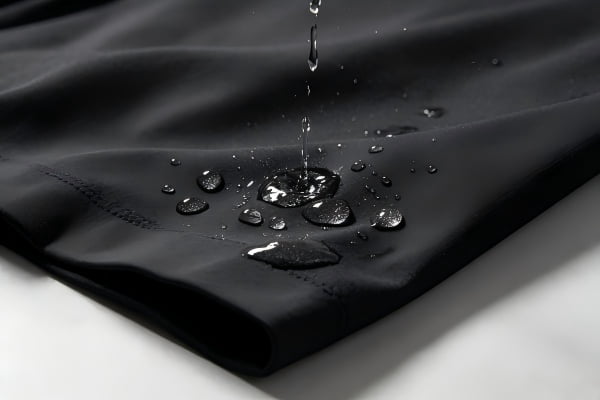
| Textile Coatings & Non-Fluoric Water Repellents | Hydrophobicity, wash durability, soft hand feel, breathability, abrasion resistance, environmental safety. | Crucial for replacing harmful fluorinated (PFAS) chemicals. Creates robust, long-lasting water-repellent finishes for outdoor gear, apparel, and technical textiles. |
| Printing Inks & Overprint Varnishes (OPV) | Scratch resistance, rub resistance, chemical resistance, adhesion, quick drying. | Enhances the durability and protective properties of inks and OPVs on packaging, labels, and printed materials. |
| Adhesives & Sealants | Strong bond strength, flexibility, heat resistance, chemical resistance, cohesive strength. | Improves the performance and longevity of 1K water-based adhesive and sealant formulations for various bonding applications. |
My focus at Langyi, particularly in promoting these products overseas, has highlighted the tremendous value of water-based blocked isocyanates. The shift away from per- and polyfluoroalkyl substances (PFAS) in water-repellent coatings for textiles is a prime example of how our products provide both performance and responsible chemistry. By offering robust, non-fluorine options, we enable companies to produce eco-friendly yet highly functional products. This direct impact on improving materials and providing sustainable solutions truly embodies Langyi's mission and makes my work incredibly meaningful.
Conclusion
Water-based blocked isocyanate crosslinkers are indispensable latent hardeners, enabling stable 1K coating systems that achieve high performance upon thermal activation. Their mechanism of controlled deblocking facilitates superior crosslinking, making them critical for diverse applications, notably in replacing hazardous substances in areas like non-fluorine water-repellent coatings.